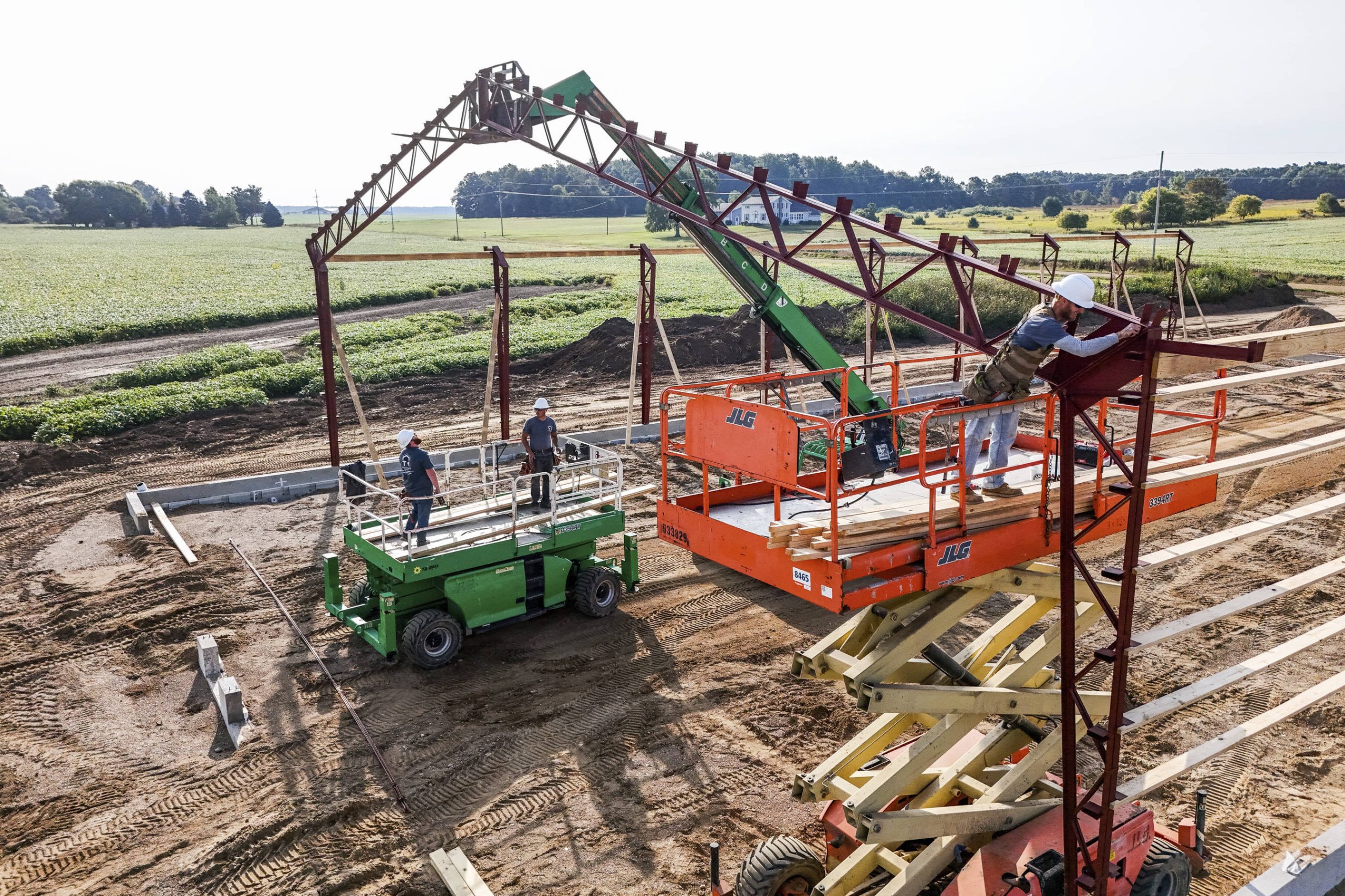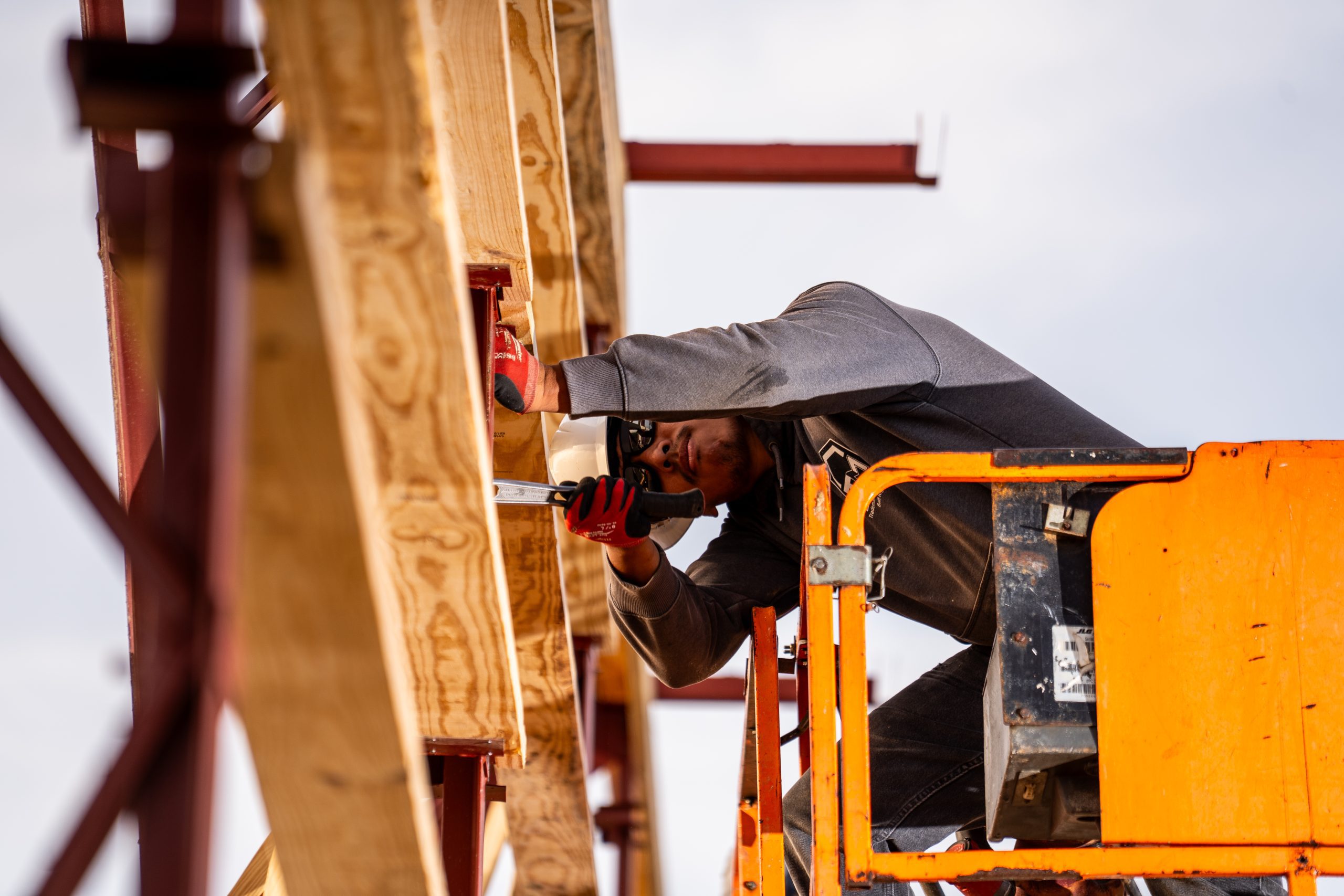


Building a first home is a milestone that blends excitement, vision, and responsibility. It is a process where creativity meets practicality, demanding a balance between design aspirations and construction realities. Understanding the essential stages of custom home building can help you make smart decisions that support both comfort and long-term value.
While every project begins with a dream, success depends on planning, professional guidance, and patience. The process involves selecting materials, aligning with your budget, and coordinating with qualified house contractors who can translate your goals into a structurally sound and aesthetically pleasing reality. Below are the key factors to keep in mind when building your first home.
Understanding the Vision and Layout
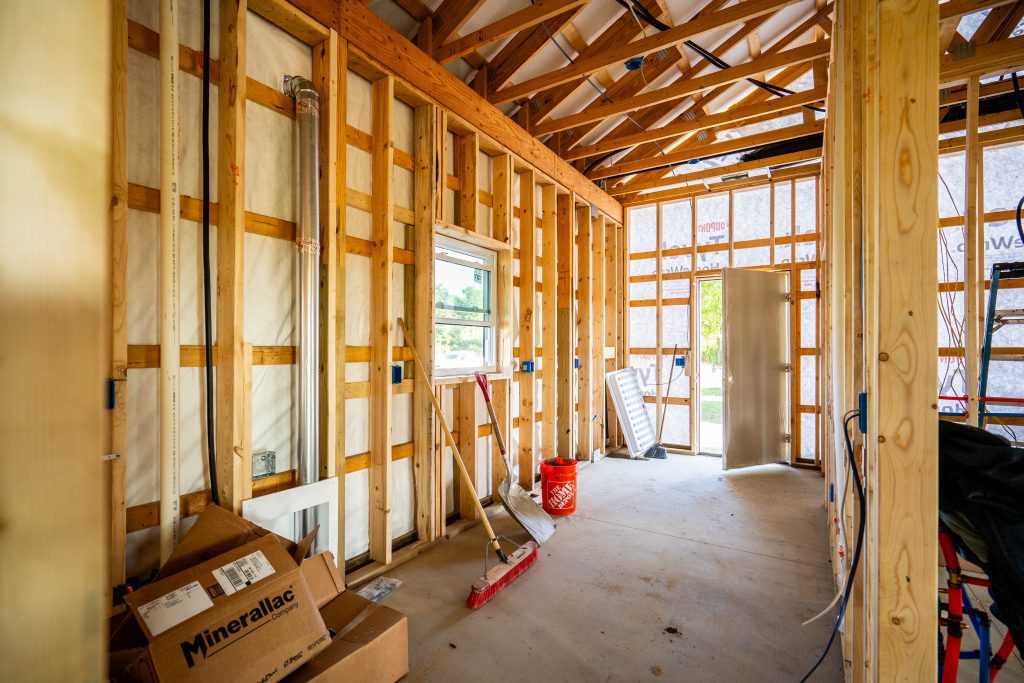
A well-planned home starts with clarity of purpose. Before blueprints or permits, it is important to define how you intend to live in the space. This includes identifying needs versus preferences and how each decision affects the overall flow of your daily life.
- Determine the number of rooms and their functions based on your family’s lifestyle.
- Consider how natural light, ventilation, and orientation affect comfort and energy efficiency.
- Think about future needs such as expanding family size, home office use, or accessibility.
The layout is not just about aesthetics; it sets the foundation for long-term livability. Working with experienced house contractors ensures your plans meet both design expectations and structural realities, helping avoid costly revisions once construction begins.
Budgeting and Long-Term Value
Finances shape nearly every part of the home-building process. A clear budget guides material choices, design decisions, and project timelines. However, budgeting for a first home goes beyond the construction itself; it includes costs like permits, landscaping, and post-completion maintenance.
- Always allocate a contingency fund for unforeseen site or material adjustments.
- Evaluate which materials offer durability and value, not just appearance.
- Plan for future maintenance, upgrades, and operational efficiency.
For deeper insight into managing your funds effectively, take time to review these helpful budgeting strategies. Understanding the financial framework ensures that your investment remains stable and adaptable to your long-term goals.
Choosing the Right Site and Structure
The land you build on plays a defining role in the home’s design, durability, and value. Factors such as soil quality, drainage, zoning rules, and access to utilities must all be assessed before construction begins.
- The site’s elevation and grading affect drainage and foundation requirements.
- Zoning restrictions determine the home’s placement and maximum height.
- Utility access and road proximity influence overall convenience and cost.
When handled by professional house contractors, these site evaluations are integrated into the broader design plan to ensure the structure is both functional and compliant. A good team also helps navigate permits, surveys, and engineering assessments to prevent costly mistakes.
Materials, Design, and Sustainability
Choosing materials is about striking the right balance between design ambition and practicality. The materials you select determine not only the appearance of your home but also its maintenance needs and environmental performance.
- Opt for energy-efficient insulation and roofing to reduce long-term utility expenses.
- Prioritize durable finishes such as composite siding or engineered flooring for longevity.
- Integrate sustainable features like LED lighting, water-efficient fixtures, and smart home technology.
A thoughtful approach to materials ensures your home remains resilient and easy to maintain. Partnering with house contractors familiar with local building standards also helps align design preferences with energy codes and sustainability goals.
Planning for Maintenance and Aftercare
Even after the final inspection and move-in, a new home requires regular attention to preserve its value. Proper maintenance protects structural integrity and helps identify small issues before they evolve into costly repairs.
Routine care should include:
- Inspecting roofs, gutters, and siding for seasonal wear.
- Checking HVAC systems, filters, and insulation performance annually.
- Ensuring that plumbing and electrical systems remain in peak condition.
If you are new to ownership, understanding how to care for your home from the start will prevent unnecessary expenses later. These practical maintenance insights offer helpful guidance on keeping your property strong and efficient year after year.
Why Professional Expertise Matters
While online resources can help you visualize your dream home, professional experience transforms ideas into a livable, compliant structure. Building codes, engineering calculations, and material specifications all require a level of technical knowledge that only seasoned experts can provide.
Professional house contractors offer:
- Detailed planning that adheres to local construction standards.
- Coordination between architects, engineers, and subcontractors.
- Cost management and scheduling for efficient project delivery.
- On-site quality checks that prevent rework or hidden structural flaws.
Working with experts ensures that your home is not only beautiful but also safe, energy-efficient, and ready to stand for generations.
Building Dreams with Expertise
A first home represents more than just walls and a roof; it reflects years of planning, personal taste, and hard work. To ensure that your investment meets your expectations in both design and quality, trust a team that values craftsmanship and precision. Contact Trade Mark Contractors today to begin your journey toward a home built with care, expertise, and enduring value.