
Building a dream home is an exciting milestone, but without proper planning, costs can quickly spiral out of control. Custom home building requires careful consideration of priorities, realistic budgeting, and strategic decision-making to balance desires with financial responsibility. By following structured home budgeting tips, homeowners can prepare effectively, ensuring their investment delivers long-term satisfaction and stability.
Creating a home that reflects your lifestyle and values is more than choosing a floor plan. It requires a clear understanding of financing, construction costs, and future expenses. A well-thought-out budget not only guides every decision but also protects you from costly mistakes that could affect your enjoyment of the home for years to come.
Understanding the True Costs of Custom Homes
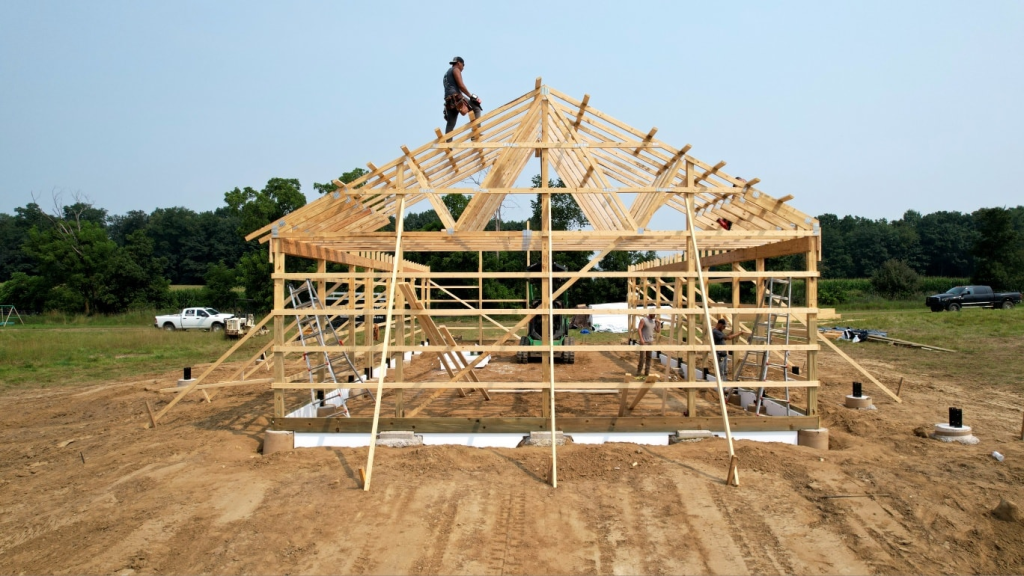
Before diving into construction, it is important to recognize that the cost of custom home building goes beyond the price of materials. A comprehensive budget should cover both expected and unexpected expenses.
- Land and site preparation: Clearing land, soil testing, and grading can add significant upfront costs.
- Design and permits: Professional architectural services and required permits vary depending on location and design complexity.
- Materials and finishes: Upgrading finishes like flooring, countertops, or cabinetry can increase costs quickly.
- Labor expenses: Skilled labor represents a large portion of the total investment.
- Unexpected adjustments: Weather delays, supply shortages, or design changes often add to the final bill.
Factoring in these categories allows for a more accurate picture of the investment and prevents financial surprises. For a deeper look at how a contractor helps outline scope and expectations, you can explore their range of construction services.
Prioritizing Needs Versus Wants
One of the most effective home budgeting tips is learning how to balance essential features with desirable upgrades. During custom home building, it is easy to get caught up in design trends or luxury items, but without discipline, costs can quickly exceed the original plan. A thoughtful approach that separates what is truly necessary from what is optional ensures that critical elements of the home are not sacrificed for short-term preferences. This strategy also allows flexibility to incorporate upgrades later without placing strain on the initial budget.
- Identify non-negotiables: Structural integrity, quality plumbing, and reliable electrical systems are fundamental and should never be compromised. These investments protect safety and the long-term value of the home.
- Evaluate lifestyle needs: Focus on layouts and features that directly support your household, such as sufficient storage, the right number of bedrooms, or a functional kitchen design.
- Separate luxury upgrades: Premium appliances, specialty flooring, or high-end finishes can often be postponed until finances allow, making them smart secondary goals.
- Think long-term: Energy-efficient systems and durable materials may cost more upfront, but will save money over the years through reduced bills and maintenance.
- Stay flexible: Be prepared to adjust preferences if estimates exceed the set budget, keeping the project realistic and sustainable.
By defining needs and wants early, homeowners can build a home that serves their lifestyle today while leaving room for upgrades in the future.
Building Contingency into the Budget
Even with the most careful planning, unexpected expenses arise during custom home building. Creating a contingency fund ensures these surprises do not derail the project.
- Set aside 10–15% of the total budget to cover unforeseen costs.
- Account for rising prices of materials or labor during construction.
- Prepare for site-related issues such as hidden soil problems or required code upgrades.
- Plan for lifestyle adjustments if temporary housing or storage is needed during construction.
- Review and update regularly as the project progresses to maintain accuracy.
This proactive approach prevents stressful financial decisions and keeps the project on track even when challenges occur.
Tracking and Managing Expenses
Effective budgeting does not end once construction begins. Ongoing management of expenses is crucial for ensuring the project stays within financial limits.
- Maintain detailed records: Keep track of invoices, receipts, and payment schedules.
- Use project management tools: Digital tracking platforms simplify budget monitoring.
- Communicate with contractors: Regular updates prevent misunderstandings about costs or changes.
- Monitor allowances closely: Ensure selections for finishes and fixtures stay within the agreed budget.
- Review progress frequently: Monthly budget reviews help identify potential overruns early.
Consistent tracking creates accountability, reduces the risk of overspending, and provides peace of mind throughout the process.
Why Professional Guidance Makes a Difference
While homeowners can take many steps to plan financially, expert guidance provides an added layer of assurance. Professionals bring knowledge of construction costs, local regulations, and efficient design strategies that save money in the long run. They also help homeowners avoid common mistakes, such as underestimating expenses or overlooking key elements of the project.
A well-structured project is not only about building a house but also about creating a secure financial foundation for the future. Experienced builders support this process by offering accurate estimates, clear timelines, and practical advice. To better understand the values and expertise behind a builder’s approach, it helps to review their company background and philosophy.
Secure the Home You’ve Dreamed Of
Your dream home should bring comfort and pride, not financial stress. By applying smart home budgeting tips, planning for contingencies, and relying on experienced professionals, you can build with confidence. For expert guidance and tailored solutions, contact Trade Mark Contractors and start building your future today.