

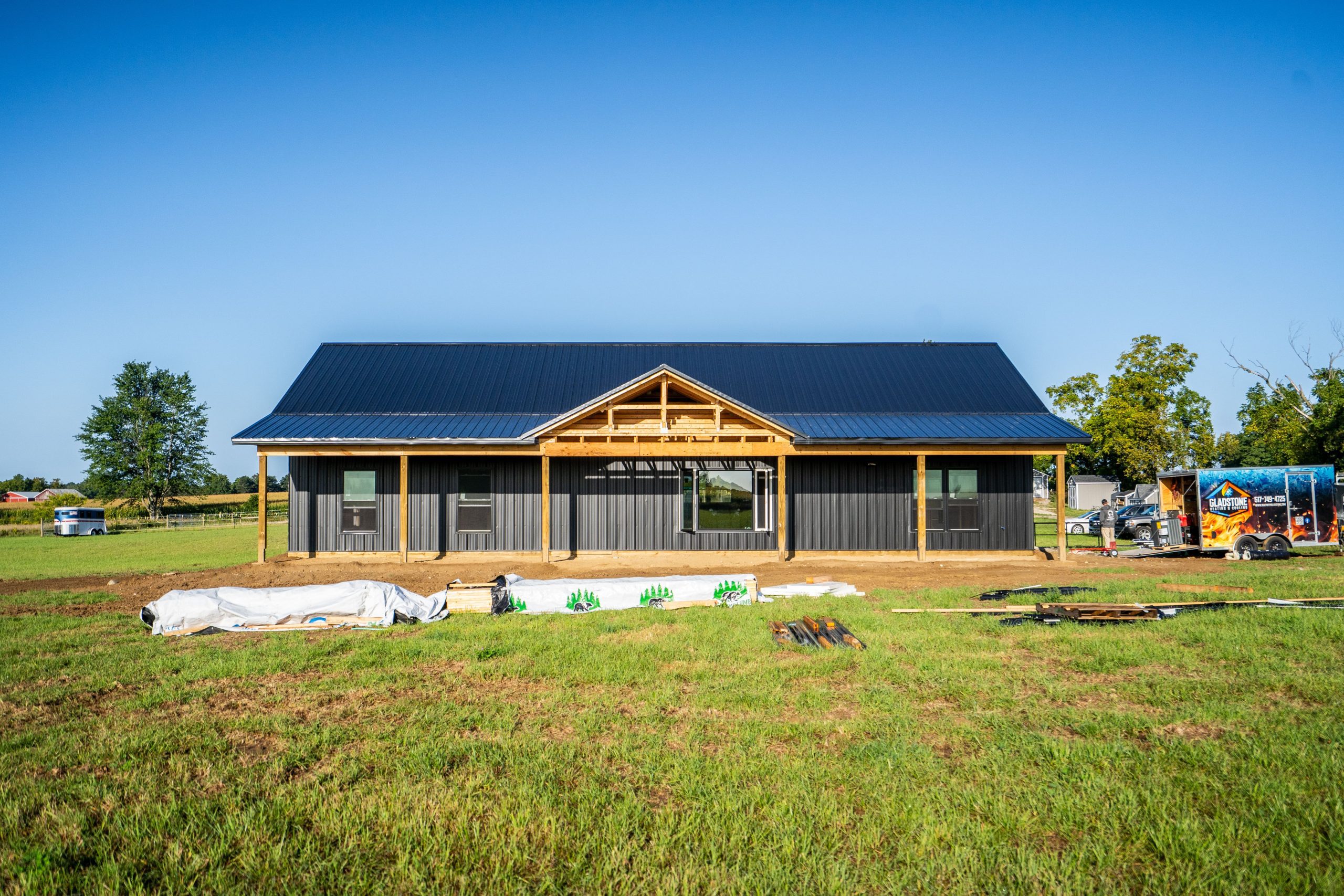
Designing a home is an exciting process, whether you are building new or renovating an existing space. However, even the best intentions can result in costly errors if important details are overlooked. Home design should balance aesthetics with function, comfort, and long-term value. Unfortunately, common missteps in planning and execution often reduce efficiency and satisfaction.
By understanding what to avoid, homeowners can create spaces that remain timeless, practical, and aligned with their lifestyle. Below are some of the most frequent mistakes to watch out for, along with ways to ensure your design decisions enhance your investment.

Neglecting Functional Layouts
A visually beautiful home means little if the layout does not support daily routines. Many homeowners become focused on aesthetics and forget the importance of traffic flow, room connections, and ease of use.
Examples of layout mistakes include:
- Poor kitchen workflow: Failing to follow the work triangle concept slows meal preparation.
- Awkward room connections: Placing bathrooms next to dining spaces creates discomfort.
- Oversized open areas: While popular, they can feel empty without defined zones.
- Too many small rooms: This reduces natural light and creates a cramped atmosphere.
- Ignoring future needs: A design that works today may not adapt to a growing family.
The key to success lies in balancing function with form. Careful planning ensures every room serves a purpose while contributing to the home’s overall flow. Guidance from resources on what to expect when building can help align design decisions with long-term usability.
Overlooking Natural and Artificial Lighting
Lighting is one of the most underestimated elements in home design. A poorly lit space not only feels smaller but also affects mood and productivity. Both natural and artificial lighting should be considered during planning.
Lighting mistakes to avoid:
- Insufficient windows: Without enough natural light, rooms feel dark and closed off.
- Uneven lighting: Relying on a single overhead fixture creates shadows and eye strain.
- Ignoring task lighting: Kitchens, bathrooms, and offices need targeted illumination.
- Poor placement of fixtures: Lights that shine in the wrong direction reduce functionality.
- Not layering light: A lack of ambient, task, and accent lighting reduces versatility.
Well-designed lighting creates an inviting atmosphere and highlights architectural features. Using dimmers, layered lighting, and energy-efficient fixtures ensures the home is adaptable to different times of day and activities.
Mismanaging the Budget
One of the most common mistakes in home design projects is underestimating costs or failing to budget wisely. Without a financial plan, homeowners often overspend in some areas and cut corners in others, leading to long-term dissatisfaction.
Budgeting pitfalls include:
- Overemphasizing trends: Spending heavily on passing styles that lose appeal.
- Skipping contingency funds: Not preparing for unexpected expenses leads to stress.
- Unequal priorities: Investing in finishes while neglecting essential systems.
- Lack of cost tracking: Failing to monitor expenses quickly derails budgets.
- Rushing purchases: Buying without research often results in regret.
Setting realistic financial goals ensures homeowners can manage both short-term needs and long-term investments. Insights from budgeting tips provide valuable guidance on balancing must-haves with nice-to-haves, while leaving room for unforeseen costs.
Ignoring Storage and Practical Features
A beautifully designed home should also support everyday living. Many designs focus heavily on finishes and furniture but forget about storage, utility, and practical features that make a home livable.
Common oversights in this area include:
- Lack of closets: Skipping adequate storage leads to clutter.
- No mudroom or drop zone: Families need a space to manage shoes, coats, and bags.
- Inadequate laundry areas: Small or poorly placed laundry rooms reduce efficiency.
- Skipping built-in storage: Cabinets, shelving, and hidden storage extend functionality.
- Neglecting outdoor storage: Sheds or garages are essential for tools and equipment.
Practical features like storage not only improve day-to-day comfort but also increase resale value. Designing with organization in mind creates a home that feels both attractive and manageable.
Failing to Think Long-Term
Finally, a successful home design looks beyond current needs to anticipate future demands. Many mistakes happen when homeowners focus only on immediate desires without considering how the home will serve them over the decades.
Long-term considerations include:
- Aging in place: Wide hallways and step-free entries increase accessibility.
- Resale value: Neutral design elements appeal to a wider market.
- Durability of materials: Choosing high-quality finishes reduces maintenance.
- Flexibility of spaces: Rooms that can adapt to multiple functions add longevity.
- Energy efficiency: Investments in insulation and systems pay off over time.
By planning with the future in mind, homeowners avoid costly redesigns later. A thoughtful approach ensures the home remains functional and valuable for years to come.
Bring Your Vision to Life with Expert Guidance
Designing a home is more than selecting finishes and layouts; it requires thoughtful planning to avoid mistakes that affect comfort, function, and long-term value. By focusing on practical layouts, smart lighting, proper budgeting, storage solutions, and future-ready design, homeowners can enjoy spaces that truly meet their needs. For expert support in creating a design that lasts, contact Trade Mark Contractors today and bring your vision to life.