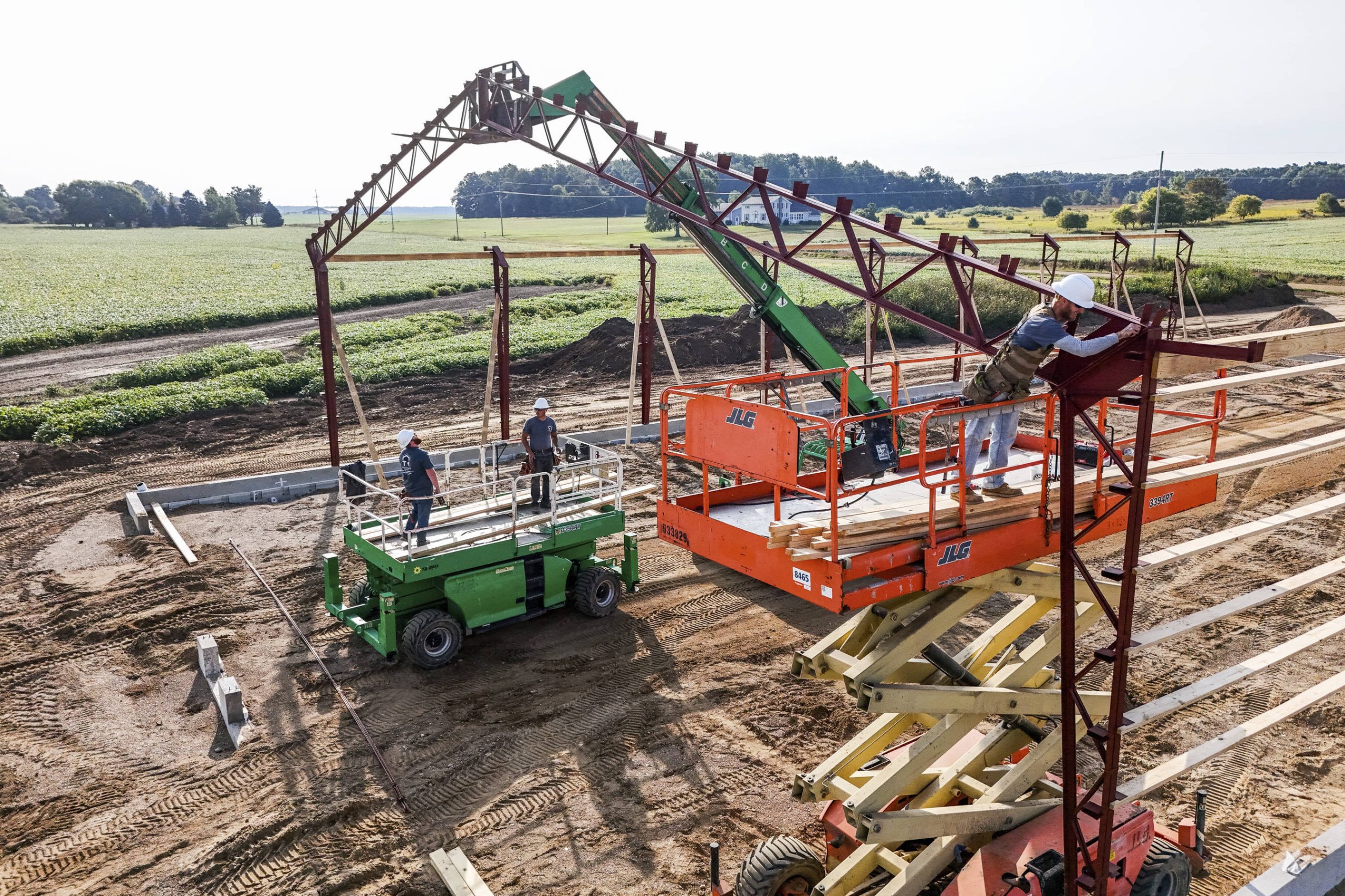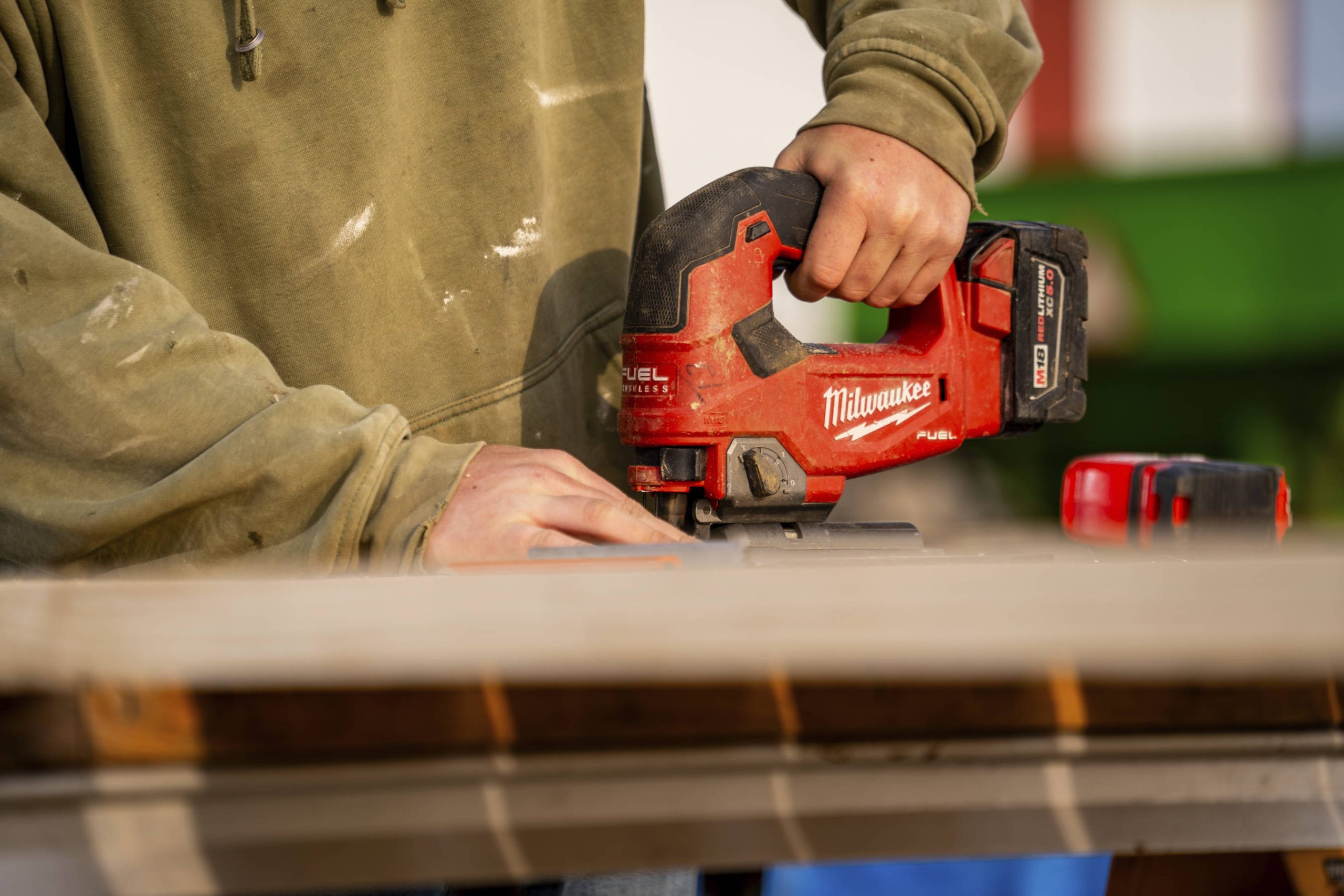

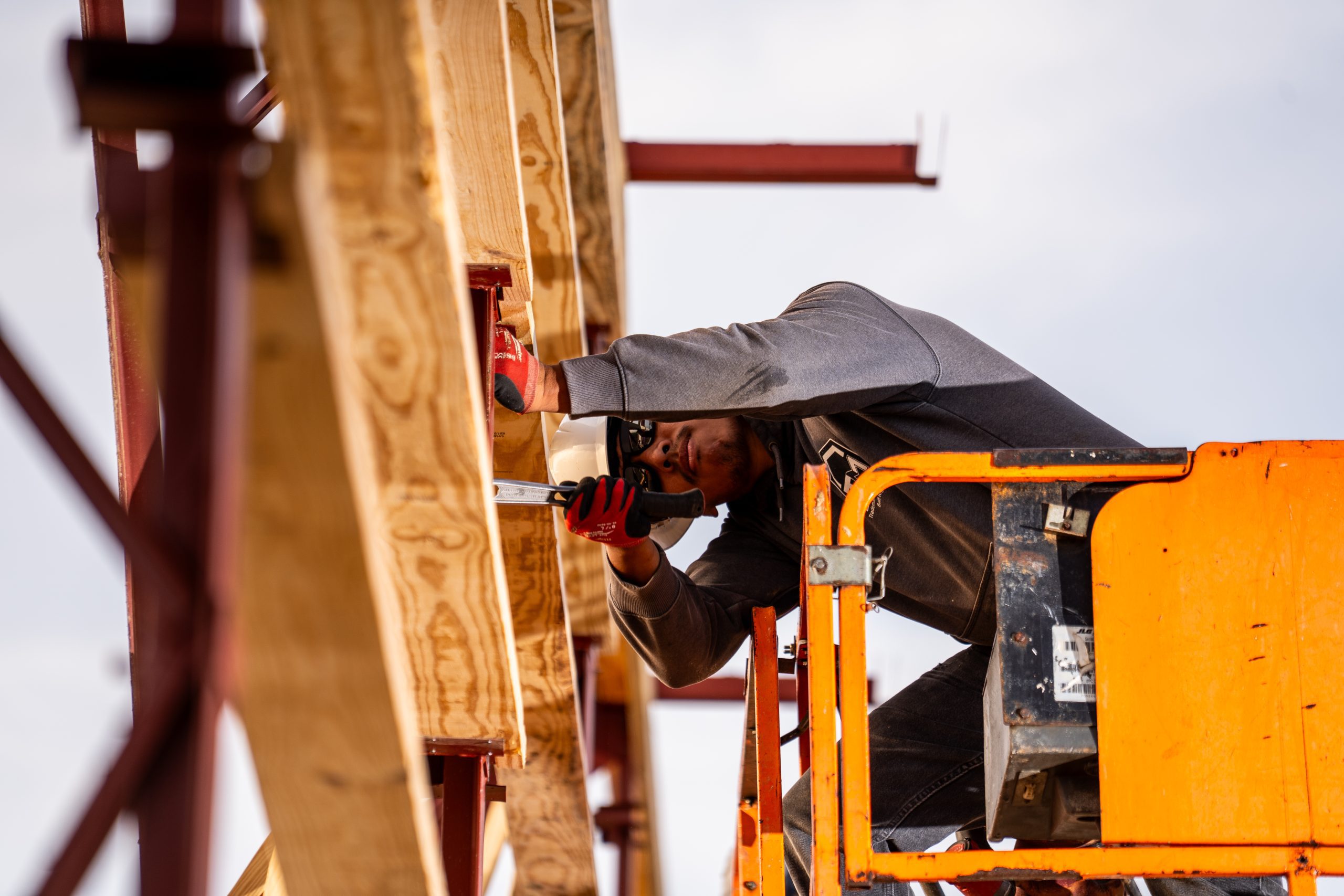
Weather plays a significant role in construction scheduling, especially when building a home from the ground up. During custom home construction, nearly every stage of the project takes place outdoors or involves materials that are sensitive to temperature, moisture, and seasonal conditions. Because of this, builders carefully evaluate climate patterns when planning construction timelines.
Rain, snow, extreme temperatures, and seasonal changes can affect excavation, framing, roofing, and exterior finishing work. Experienced contractors anticipate these challenges early in the project to minimize delays while maintaining safety and structural integrity. Understanding how weather influences the building process helps homeowners appreciate the importance of professional planning and project management.
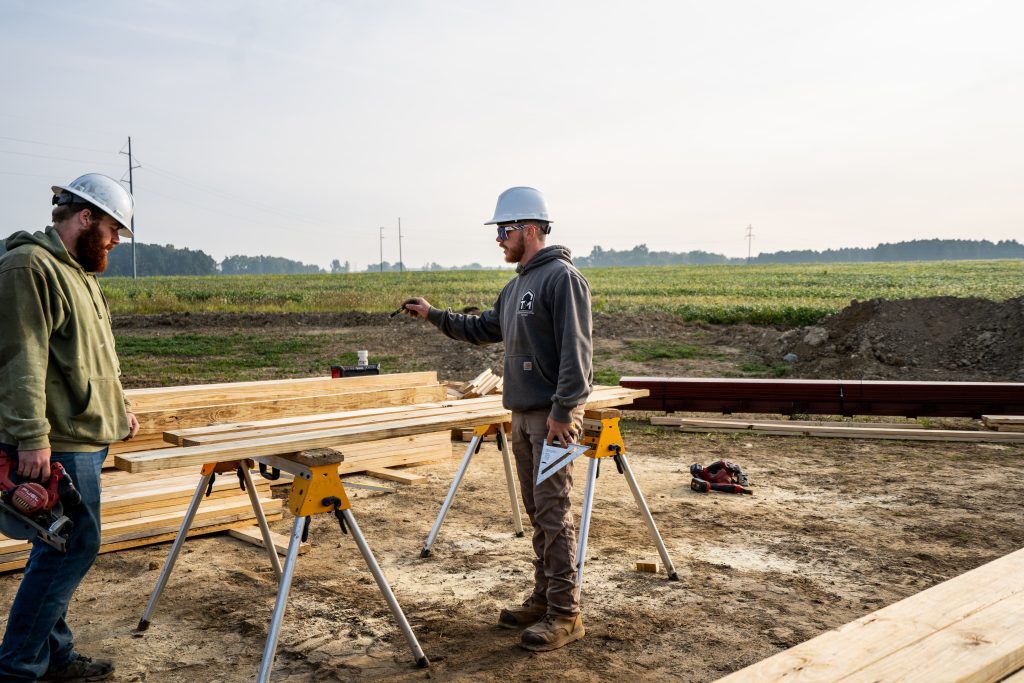
Why Weather Planning Is Essential In Construction Projects
Every region has unique climate patterns that influence construction schedules. In areas that experience seasonal changes, builders must carefully coordinate each phase of custom home construction to align with weather conditions.
Weather planning allows construction teams to prepare materials, equipment, and labor schedules before conditions change. Without proper planning, even minor weather disruptions could delay progress or affect the quality of the finished structure.
Professional builders evaluate several weather-related factors before starting construction.
- Average seasonal temperatures that may affect curing of concrete or adhesives
- Rainfall patterns that influence excavation and foundation work
- Snow and ice conditions that may restrict job site access
- Wind exposure that can affect framing and roofing installations
- Humidity levels that influence wood expansion or drying times
By studying these conditions in advance, construction teams can adjust project schedules to maintain progress while protecting materials and structural components.
Site Preparation Challenges Caused By Weather
One of the earliest phases of custom home construction is preparing the building site. This stage includes excavation, grading, and foundation work, all of which depend heavily on stable soil conditions.
Wet soil, frozen ground, or excessive moisture can complicate site preparation. These conditions may affect the stability of excavation areas and slow down foundation installation.
Common weather-related site challenges include:
- Heavy rainfall that saturates soil and prevents excavation equipment from operating safely
- Frozen ground that makes digging and trenching difficult
- Standing water that interferes with foundation preparation
- Muddy terrain that limits equipment movement across the site
- Delays in concrete curing due to low temperatures
Builders often schedule foundation work during seasons when soil conditions are most stable. In colder climates, contractors may also use protective coverings or temperature control methods to maintain proper curing conditions.
Thorough planning during site preparation reduces the risk of structural problems and helps maintain a realistic project timeline.
Structural Framing And Exterior Work Depend On Conditions
Once the foundation is complete, framing and exterior construction begin. This stage creates the structural skeleton of the home and prepares the building for roofing, siding, and insulation installation.
Weather conditions continue to influence the construction timeline during these stages. Rain and snow can delay work on exposed framing materials, while high winds may affect crane operations or roof installation.
Professional builders coordinate multiple construction tasks to work around weather patterns.
- Scheduling framing during periods with lower precipitation
- Protecting exposed materials from moisture damage
- Installing roofing quickly once framing is completed
- Managing insulation installation during suitable temperature ranges
- Adjusting daily work schedules based on forecast conditions
Construction teams also take steps to protect materials from prolonged exposure. Moisture protection becomes especially important when wood framing, insulation systems, and structural panels are involved.
In colder regions, builders often design homes with enhanced insulation and structural protection to accommodate harsh climate conditions. Guidance about building for Michigan weather explains how construction methods can improve durability in demanding climates.
Interior Construction Phases And Climate Control
Once the structure is enclosed and weather protection is in place, interior construction begins. While indoor work is less vulnerable to external conditions, weather can still influence certain materials and installation timelines.
Temperature and humidity affect flooring materials, drywall curing, paint application, and trim installation. Builders monitor indoor climate conditions to ensure materials perform correctly.
Key interior considerations include:
- Maintaining stable indoor temperatures for drywall finishing
- Controlling humidity levels during flooring installation
- Allowing sufficient drying time for paint and coatings
- Protecting insulation performance during installation
- Scheduling interior finishing tasks to match environmental conditions
Climate control becomes particularly important during the finishing phase. Builders often use temporary heating or ventilation systems to maintain proper working conditions and prevent material damage.
Managing these details requires coordination between contractors, suppliers, and project managers. Professional oversight ensures that each step of construction progresses under the right environmental conditions.
Coordinating Permits, Inspections, And Weather Timing
Construction timelines must also accommodate regulatory inspections and permit requirements. Local building departments often schedule inspections at key milestones such as foundation completion, framing, electrical work, and final occupancy approval.
Weather delays can sometimes affect inspection schedules as well. If a stage of construction cannot be completed due to weather, inspections may need to be rescheduled.
Experienced builders coordinate permit approvals and inspections alongside construction scheduling to prevent unnecessary delays.
- Preparing documentation required for building permits
- Scheduling inspections during appropriate construction phases
- Adjusting timelines when weather disrupts progress
- Ensuring work remains compliant with building regulations
- Communicating with inspectors when conditions change
Proper permit management is an important part of professional construction oversight. Information about permit and code management highlights how builders coordinate approvals to keep projects moving forward efficiently.
When weather conditions change unexpectedly, experienced contractors adapt construction schedules while maintaining compliance with local regulations.
Build With Confidence Despite Weather Challenges
Weather conditions influence nearly every stage of custom home construction, from site preparation to final finishing work. Careful planning, professional scheduling, and experienced construction management help minimize delays while protecting the quality of the home.For expert guidance in custom home construction planning and project management, contact Trade Mark Contractors to learn how experienced builders keep projects on track through changing weather conditions.