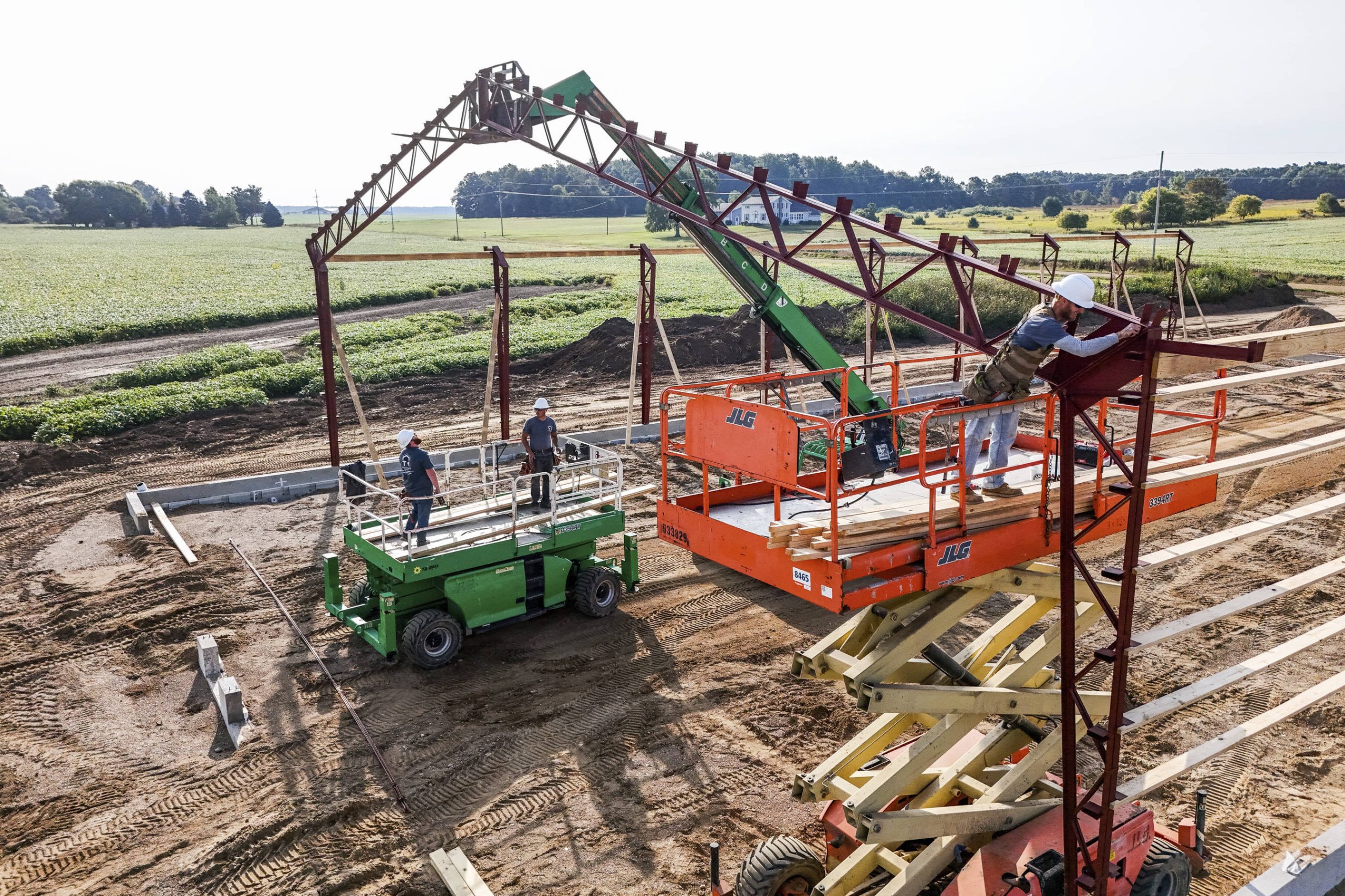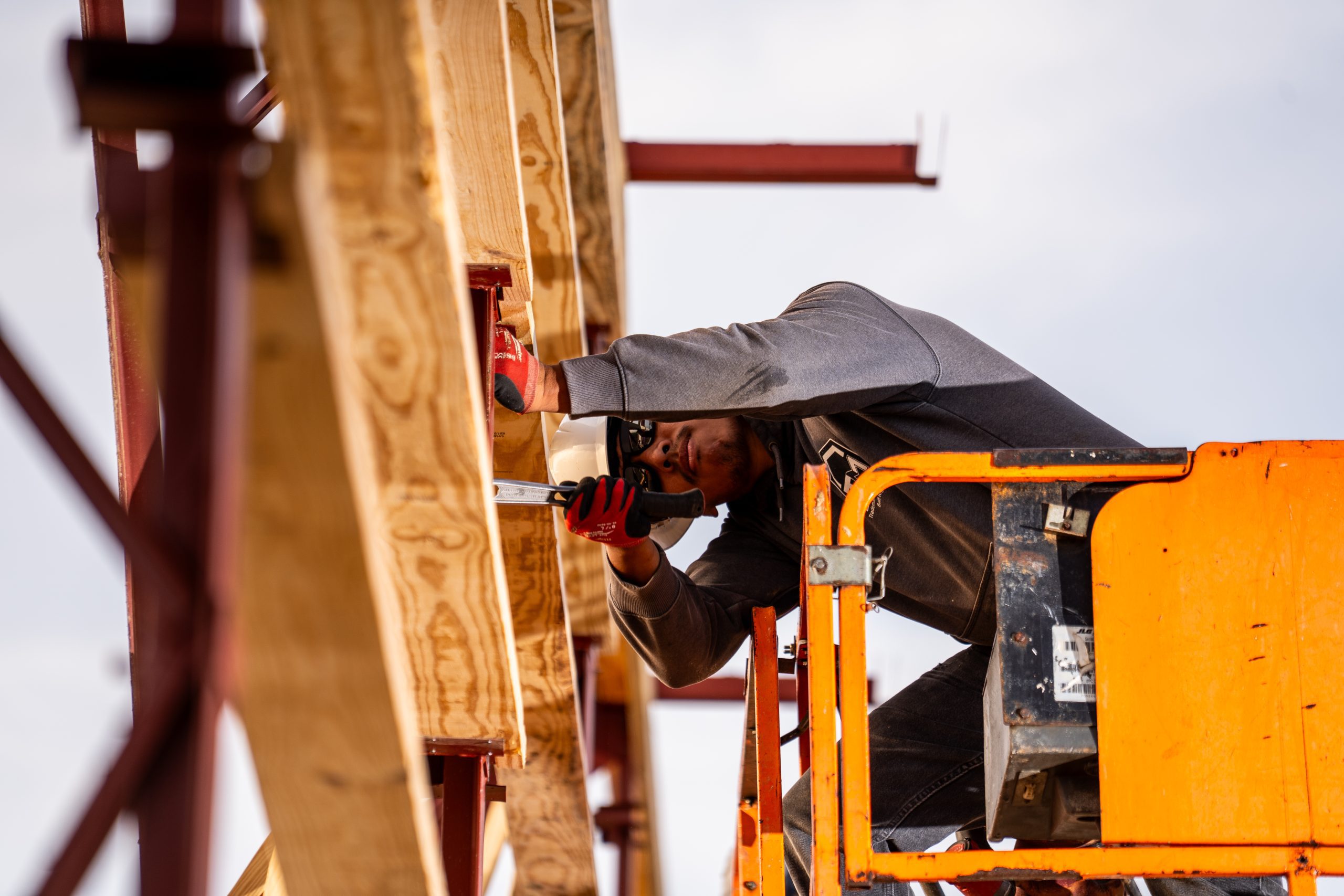

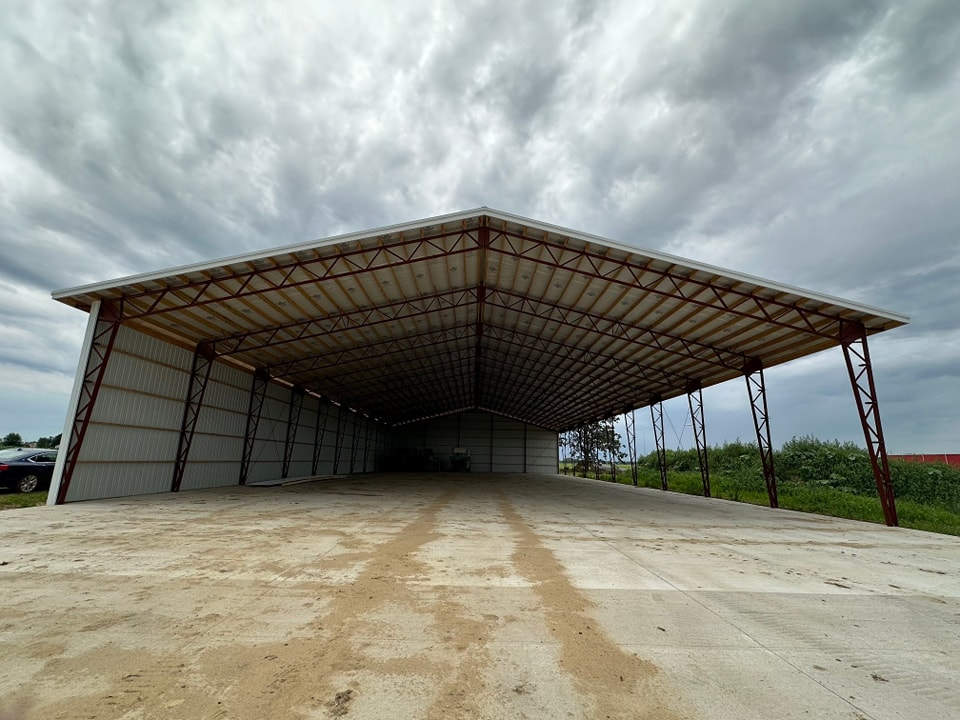
Michigan weather is anything but predictable. Long, freezing winters, fluctuating spring temperatures, humid summers, and heavy precipitation all place unique demands on buildings across the state. Insulated K Buildings are designed to handle these challenges, but their performance depends heavily on how well they are planned, insulated, and constructed. From an expert perspective, Michigan conditions require more than basic structural strength. They demand thoughtful insulation strategies, moisture control, and professional execution to ensure year-round performance.
K Buildings are valued for their versatility and structural efficiency, yet without proper insulation and weather-specific planning, even well-designed structures can struggle under Michigan’s climate extremes. Understanding what these conditions demand helps property owners make informed decisions that protect both the building and its long-term investment.
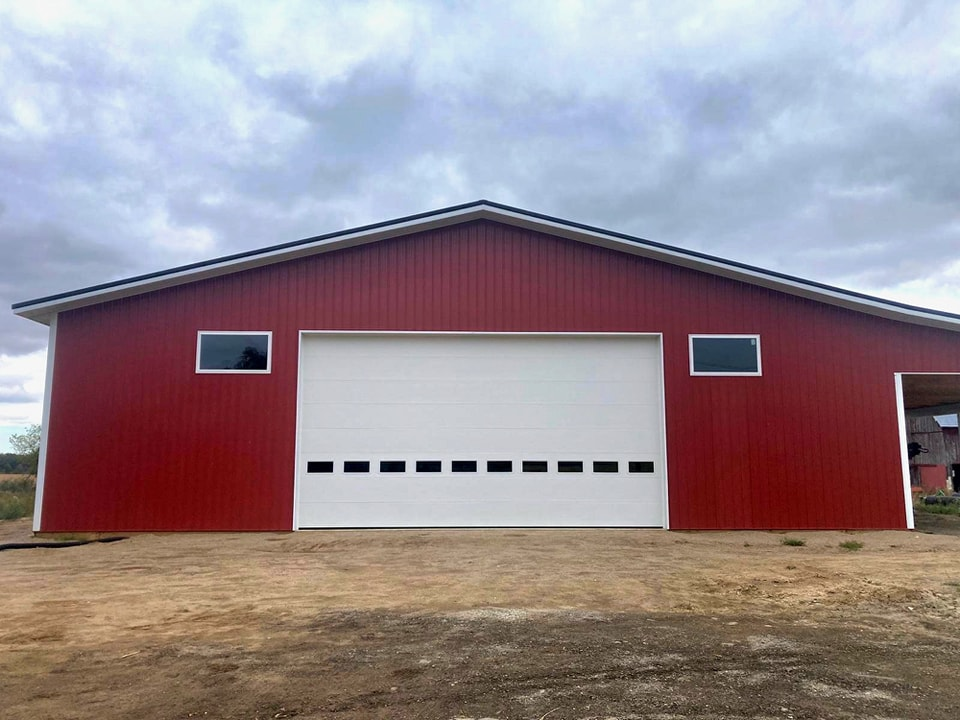
Why Michigan’s Climate Requires Specialized Building Design
Michigan experiences wide temperature swings throughout the year. Winter brings extended periods of freezing temperatures, snow loads, and frost penetration, while summer introduces humidity and heat that can affect interior comfort and building materials.
These conditions directly impact how K Buildings perform. Insulation must manage heat retention during winter while preventing excessive heat gain in warmer months. Moisture control is equally important, as condensation can develop when warm interior air meets cold exterior surfaces.
Design considerations must account for ground conditions, snow accumulation, and freeze-thaw cycles. Without climate-aware planning, buildings may experience energy inefficiency, material stress, and long-term degradation. This is why insulated K Buildings are not simply about adding insulation, but about integrating it correctly into the entire structure.
The Role of Insulation in K Buildings
Insulation is the primary defense against Michigan’s temperature extremes. In K Buildings, insulation works alongside structural components to regulate interior conditions and reduce energy demand.
- Maintaining consistent interior temperatures during winter
- Reducing heat transfer during summer months
- Limiting condensation and moisture buildup
- Supporting overall energy efficiency
Proper insulation placement and material selection are critical. Gaps, compression, or improper installation can undermine performance, allowing cold air infiltration and heat loss. Insulation also contributes to occupant comfort by reducing drafts and temperature fluctuations.
From an expert standpoint, insulation must be selected based on building use, occupancy, and exposure. Storage buildings, workshops, and residential additions each have different insulation needs. A one-size approach rarely performs well under Michigan conditions.
Managing Moisture and Condensation Challenges
Moisture is one of the most persistent challenges for buildings in Michigan. Snow melt, rainfall, and humidity create conditions where water intrusion and condensation can develop if not properly addressed.
- Vapor barriers that control moisture migration
- Proper ventilation to manage humidity levels
- Drainage planning to redirect surface water
- Sealing strategies to limit air leakage
In insulated K Buildings, condensation can form inside wall systems when warm air contacts cold surfaces. Over time, this moisture can compromise insulation effectiveness and contribute to material deterioration. Professional planning ensures that insulation, vapor control, and airflow work together rather than against each other.
Site preparation also plays a role in moisture management. Ground conditions and frost depth affect foundation performance and drainage behavior. Planning considerations similar to those discussed in winter site preparation help reduce moisture-related risks before construction even begins.
Structural Performance Through Seasonal Extremes
Beyond insulation, K Buildings must withstand Michigan’s physical weather stresses. Snow loads, wind pressure, and freeze-thaw cycles place repeated strain on structural components.
Insulated K Buildings benefit from consistent interior temperatures, which reduce expansion and contraction stresses. Stable conditions help preserve fasteners, framing connections, and finishes over time. Without proper insulation and construction sequencing, seasonal movement can accelerate wear and lead to costly repairs.
Professional construction ensures that insulation integrates with framing, roofing, and exterior systems. This coordination helps the building respond as a unified structure rather than a collection of separate elements. Poorly executed work often reveals itself during the first harsh winter, when weaknesses become difficult and expensive to correct.
Why Professional Construction Matters in Michigan
Michigan’s climate leaves little room for error. Insulated K Buildings must be planned and executed with precision to perform as intended. Professional construction brings experience with local conditions, material behavior, and regulatory requirements.
- Accurate assessment of site and soil conditions
- Selection of insulation systems suited to climate
- Proper sequencing to avoid moisture entrapment
- Long-term durability through correct installation
DIY or underplanned projects often underestimate the cumulative impact of Michigan weather. Shortcuts may reduce initial costs but increase long-term expenses through energy loss, moisture damage, and premature repairs. The financial implications of these decisions are often outlined in discussions like professional vs DIY costs, where quality execution protects overall value.
Professional oversight ensures that insulated K Buildings meet both immediate needs and long-term performance expectations.
Long-Term Benefits of Climate-Ready K Buildings
When insulated K Buildings are designed for Michigan’s climate, the benefits extend well beyond comfort. Energy efficiency improves, maintenance demands decrease, and the building remains adaptable to changing use over time.
Well-insulated structures maintain consistent interior environments that protect stored materials, equipment, or living spaces. They also reduce strain on heating and cooling systems, contributing to lower operational costs.
Most importantly, climate-ready construction provides peace of mind. Owners can rely on their building to perform through harsh winters, wet springs, and humid summers without constant intervention.
Building With Michigan Weather in Mind
Michigan weather demands thoughtful design, proper insulation, and professional execution. Insulated K Buildings that meet these demands deliver durability, efficiency, and long-term value. For expert guidance and construction solutions built for Michigan conditions, contact Trade Mark Contractors to ensure your building is ready for every season.