Building a home is one of the largest financial and personal decisions most people make. The process involves countless choices, coordination between trades, and ongoing oversight that can quickly become overwhelming. Turnkey homes have emerged as an appealing solution because they simplify this complexity while delivering a finished residence ready for occupancy. From a professional perspective, turnkey construction offers measurable advantages in cost control, quality consistency, and long-term value.
Turnkey homes are designed to remove uncertainty. Instead of managing individual phases, materials, and subcontractors, homeowners receive a complete, move-in-ready property. This approach aligns closely with modern expectations for custom home building, where clarity, efficiency, and accountability matter as much as design.
Understanding the Turnkey Home Model
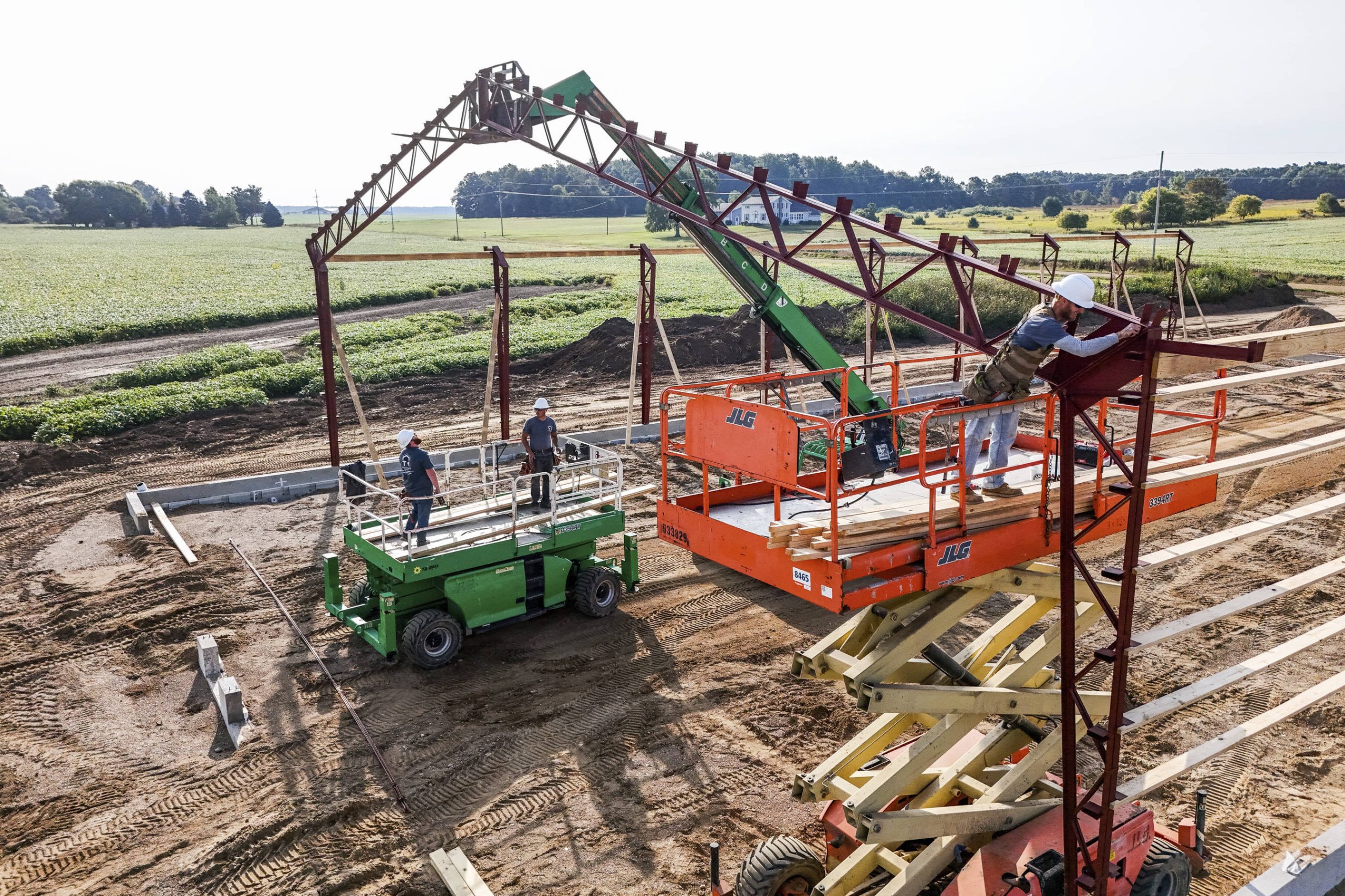
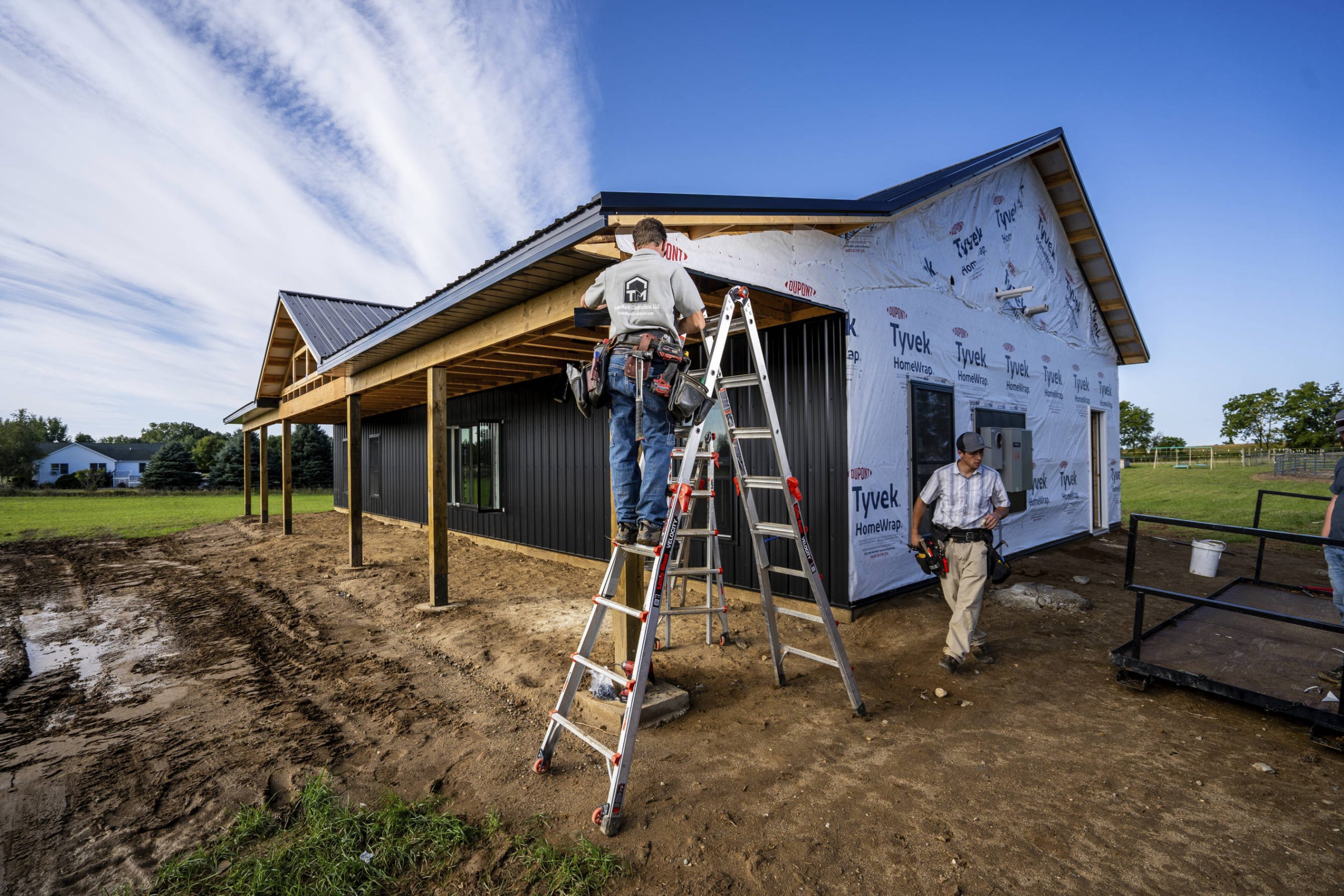
A turnkey home refers to a construction approach where a single contractor manages the entire project from planning through completion. The homeowner receives a finished property with systems installed, finishes completed, and inspections finalized. This model contrasts with fragmented builds that rely on separate vendors and phased coordination.
Key elements of the turnkey model include:
- Unified project management from start to finish
- Integrated design, construction, and finishing phases
- Clearly defined scope, timeline, and deliverables
- Final handoff of a fully completed residence
This structure benefits homeowners by reducing decision fatigue and minimizing gaps between phases. Instead of navigating constant handoffs, the project moves forward under one coordinated vision. For those investing in a long-term residence, this cohesion supports both efficiency and quality.
Financial Predictability and Cost Control
One of the strongest advantages of turnkey homes is financial predictability. Construction projects are vulnerable to cost overruns when scope changes, delays, or coordination issues arise. A turnkey approach addresses these risks by defining costs and responsibilities early in the process.
Financial benefits often include:
- Consolidated pricing rather than piecemeal estimates
- Reduced risk of unexpected mid-project expenses
- Clear accountability for budget adherence
- Better alignment between design choices and cost impact
Because planning and execution are closely linked, decisions are evaluated with both aesthetics and budget in mind. This helps homeowners avoid late-stage compromises or expensive corrections. When timelines and expectations are clearly set, financial surprises become far less common.
Time Efficiency and Project Coordination
Time is another critical factor when evaluating construction methods. Traditional builds often face delays caused by miscommunication between trades or scheduling conflicts. Turnkey homes streamline coordination by centralizing oversight and sequencing work efficiently.
Time-related advantages include:
- Coordinated scheduling across all construction phases
- Faster resolution of on-site issues
- Reduced downtime between trades
- Clear milestones that guide progress
Construction timelines are easier to manage when one team oversees every stage. This clarity is especially valuable for homeowners balancing other commitments while building. For a deeper look at how timelines typically unfold, our article on building timeline insights explains how coordinated planning impacts completion schedules.
Quality, Consistency, and Craftsmanship
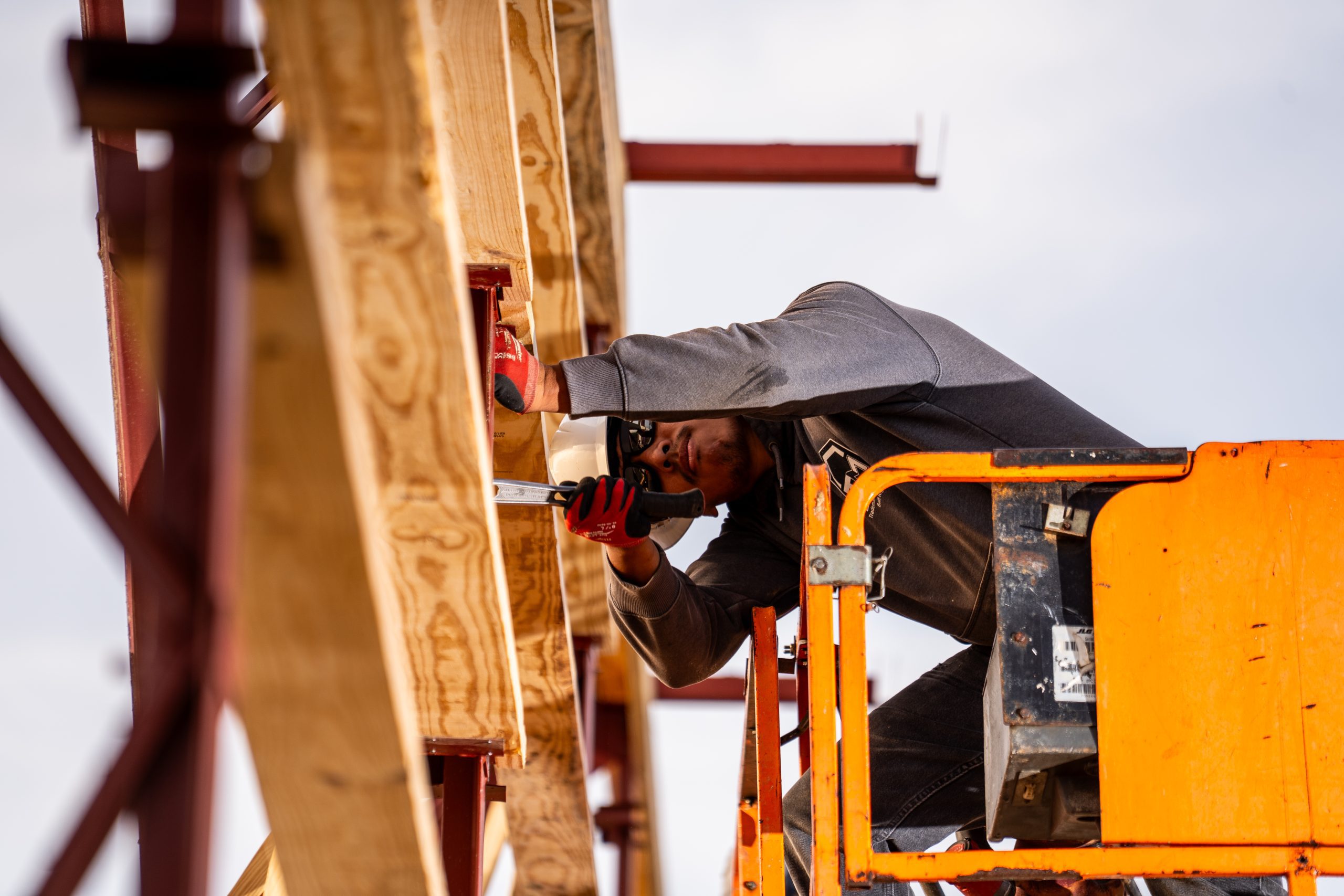
Turnkey construction places a strong emphasis on consistency. When a single contractor oversees design, materials, and installation, quality standards remain uniform throughout the home. This approach reduces the risk of mismatched finishes or incompatible systems.
Quality advantages include:
- Standardized construction practices across the project
- Better integration between structural and aesthetic elements
- Fewer corrective changes after installation
- Comprehensive inspections before completion
This consistency matters in custom home building, where details define long-term satisfaction. A cohesive approach ensures that design intent is carried through to execution without dilution. Over time, consistent quality contributes to durability, lower maintenance costs, and stronger resale value.
Long-Term Value and Peace of Mind
Beyond construction, turnkey homes offer long-term value through reduced maintenance uncertainty and clearer documentation. Systems are installed to work together, and final inspections confirm compliance and performance. This reduces the likelihood of early failures or hidden defects.
Long-term value benefits include:
- Comprehensive records of construction and materials
- Fewer warranty disputes due to clear accountability
- Increased buyer confidence if the home is sold later
- Lower stress during the build and after move-in
Local expertise also plays a role in long-term success. Contractors familiar with regional conditions understand permitting requirements, climate considerations, and material suitability. The importance of local knowledge is explored further in our article on local contractor value, which highlights how regional experience strengthens outcomes.
Turnkey homes are not about eliminating customization. They are about delivering it through a structured, professional process. Homeowners still influence design and features, but within a framework that protects time, budget, and quality. This balance makes turnkey construction a compelling investment for those seeking both control and confidence.
Building With Confidence From Day One
Choosing how to build is as important as choosing what to build. Turnkey homes offer a streamlined path that reduces risk while supporting thoughtful custom home building. For homeowners who value efficiency, accountability, and long-term performance, this approach delivers measurable returns.To explore how a turnkey home can align with your goals, contact Trade Mark Contractors for expert guidance on building a home that balances vision, value, and peace of mind.