
Building a new home is one of the most significant projects a homeowner can undertake. It is an exciting process, but it also requires realistic expectations about timelines, planning stages, and the many variables that influence completion. Whether the project involves a fully custom home building experience or a semi-custom approach, the timeline depends on design complexity, site conditions, permitting, and coordination among multiple trades. Understanding how long each phase takes helps homeowners plan effectively and approach the process with confidence.
While some people assume a new home can be built quickly, the reality is that timelines vary greatly. Every home is different, and every site presents unique challenges. Weather conditions, material availability, and inspections can shift projected dates. Because of these variables, working with experienced professionals is essential for staying on schedule and ensuring each stage is completed correctly.
A clear understanding of how custom home building works allows homeowners to appreciate the craftsmanship, coordination, and attention to detail required to bring a new home to life.
What Influences the Overall Timeline?
Several factors shape how long new home construction will take. Some of these are predictable, while others depend on the specific circumstances of the project. The earliest stage involves evaluating the lot, preparing the design, and securing permits, all of which contribute to the foundation of the timeline.
Common timeline influencers include:
- The complexity and size of the home’s design
- Permit approval speed and local jurisdiction requirements
- Soil, grading needs, and site accessibility
Design plays an enormous role. Larger homes with custom architectural features naturally require more time. Homes with simple layouts or semi-custom floor plans may progress more quickly. Insight into home options comparison can help homeowners understand how their choices influence overall timelines.
Permitting is another major factor. Some municipalities move quickly, while others require multiple review stages. Site-related delays, such as grading or soil corrections, also extend the timeline.
Once these initial phases are complete, the actual construction can begin, but the speed of progress still depends on weather, subcontractor scheduling, and material availability.
Breaking Down the Phases of Construction
The custom home building process is made up of distinct phases that must be completed in sequence. Each phase contributes to the overall timeline and requires coordination among skilled trades and inspectors.
Major construction phases include:
- Site preparation, excavation, and laying the foundation
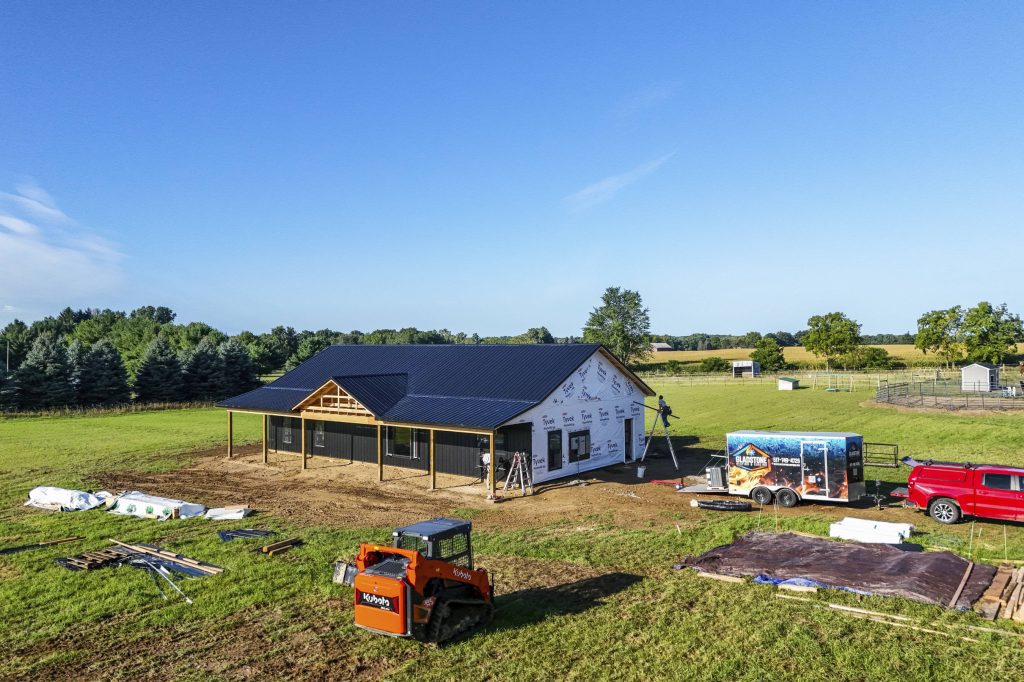
- Framing, roofing, and establishing the structural components
- Electrical, plumbing, and mechanical installations
Site preparation involves clearing the lot, leveling the ground, and ensuring utilities can be accessed. This phase sets the stage for the foundation, which must cure properly before framing can begin.
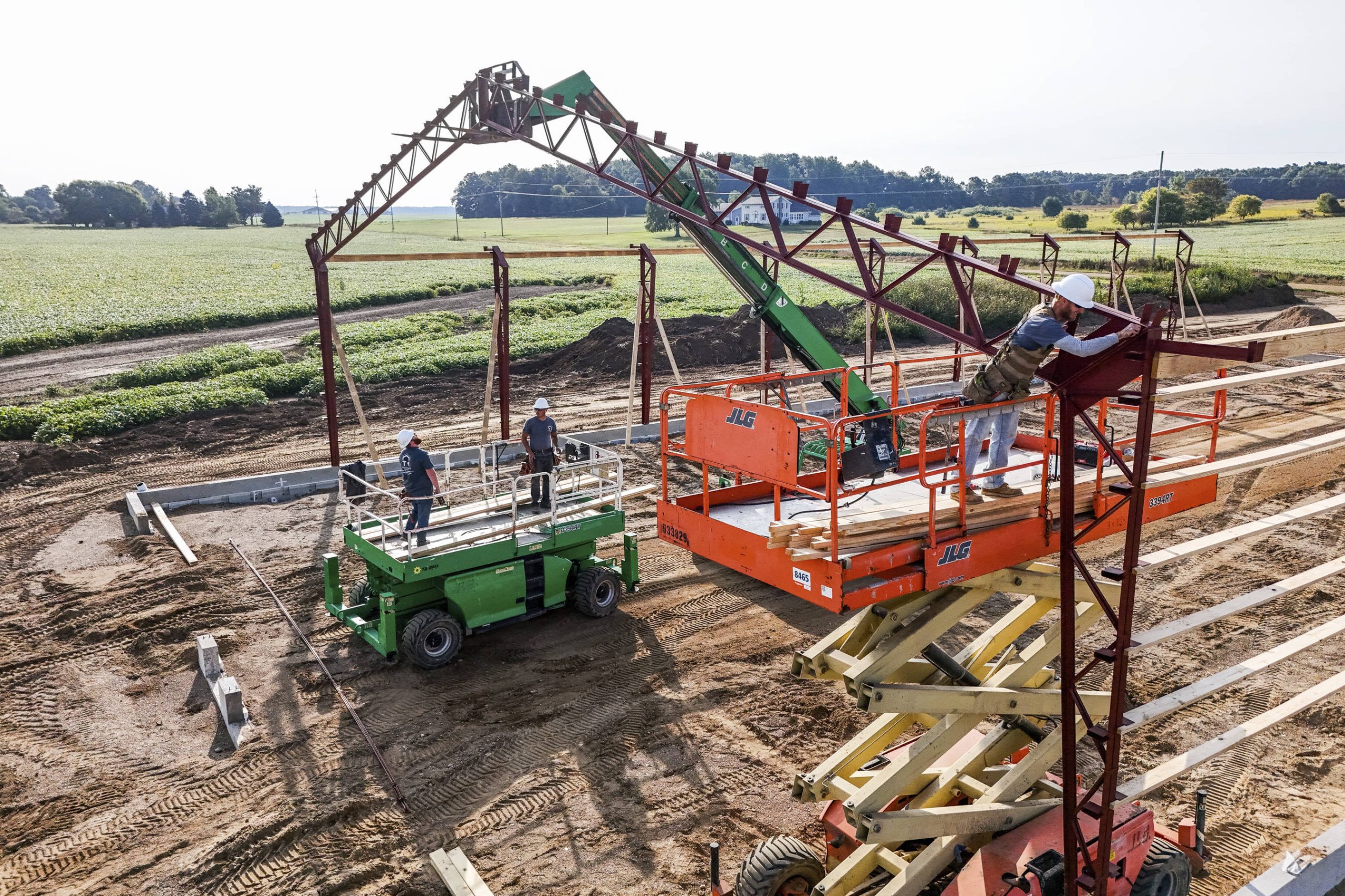
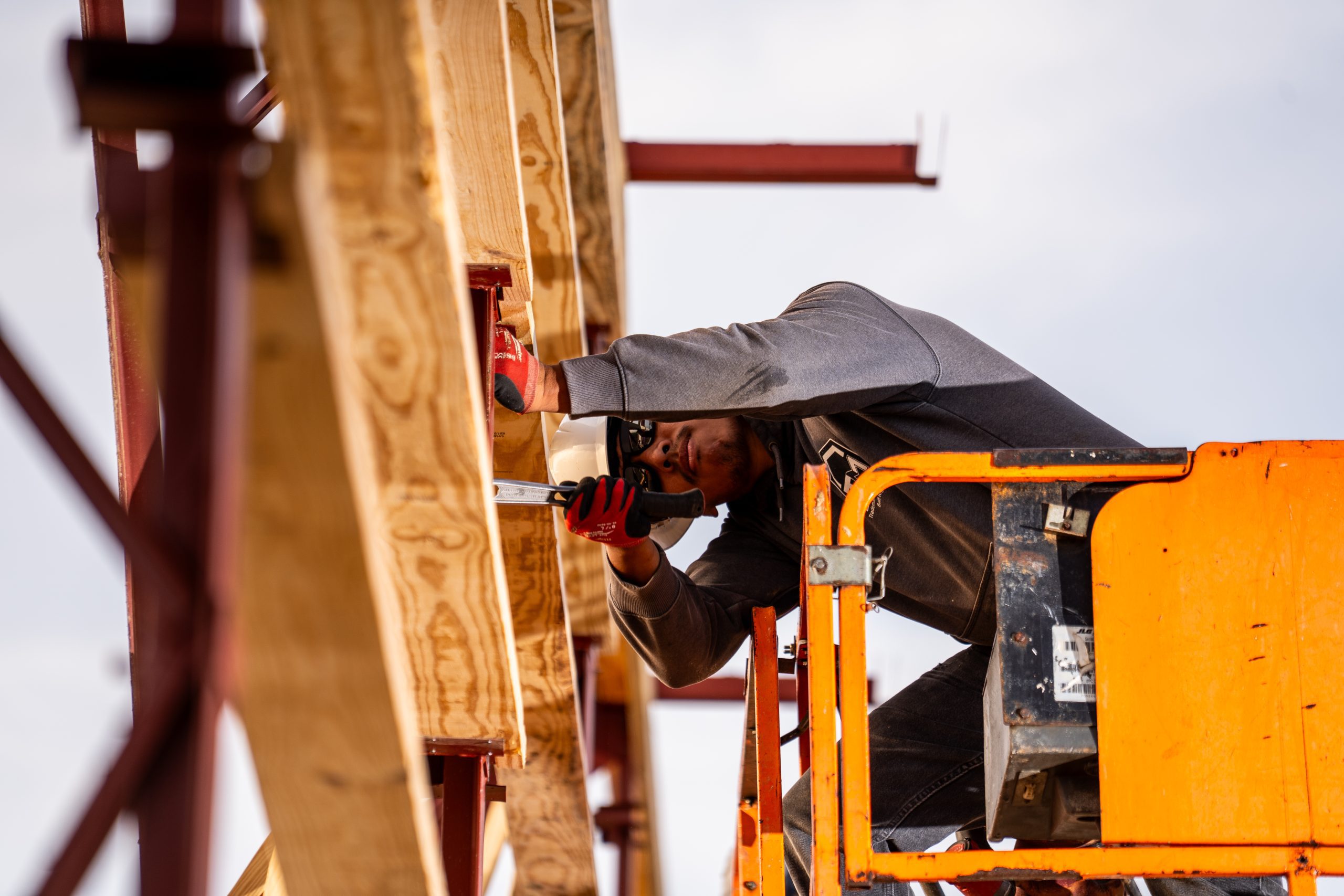
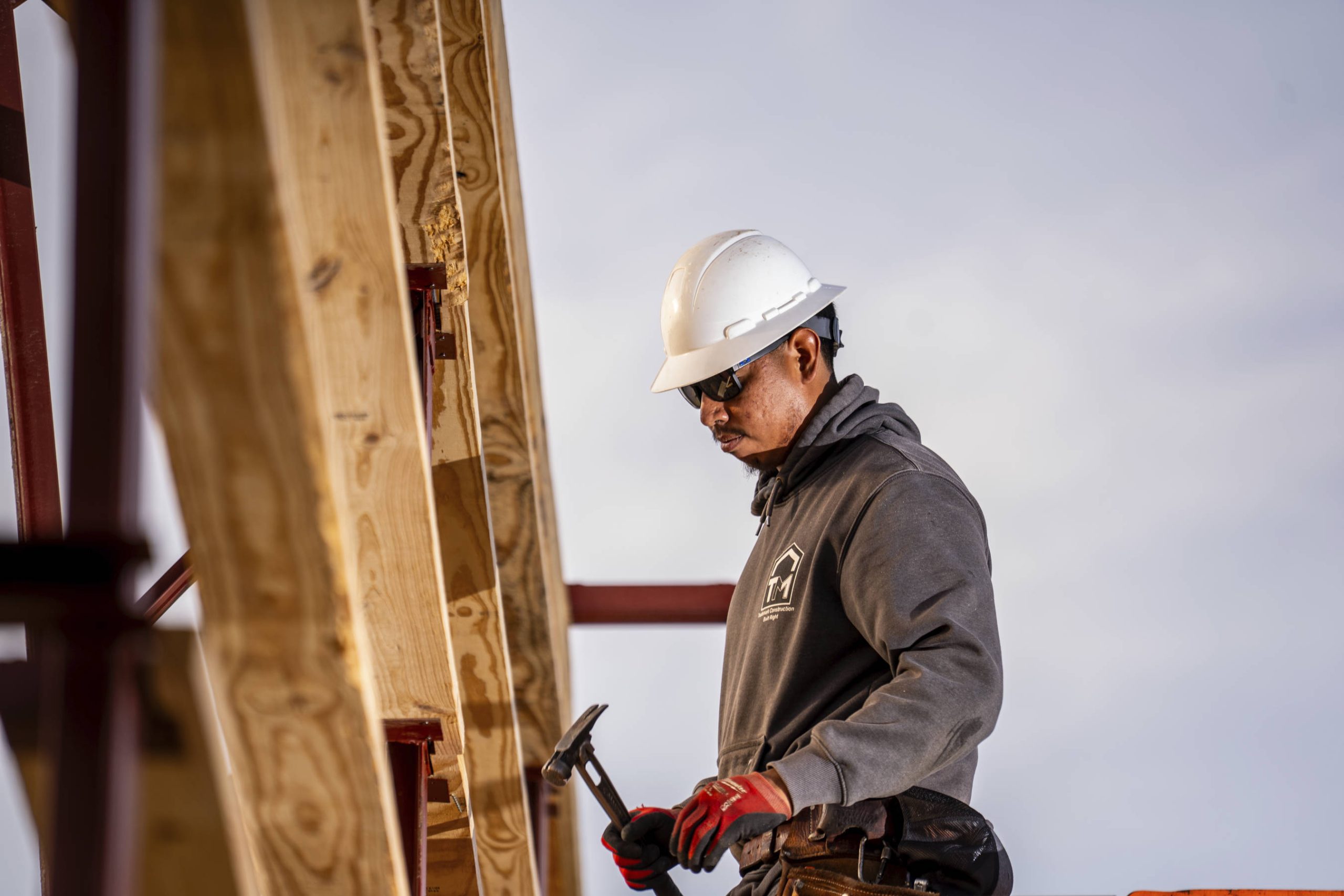
Framing forms the skeleton of the home. Walls, roof structures, and primary supports are built during this phase. Weather conditions can slow this part of construction, especially in areas prone to heavy rain or wind.
After framing, the mechanical phase begins. Electricians, plumbers, and HVAC technicians install essential systems that will later be inspected and enclosed behind drywall. These steps require precision and thorough planning.
A deeper look at the custom home process shows how these stages rely on detailed coordination to remain on schedule.
Interior Work and Finishing Stages
Once the home’s structure and systems are in place, interior work begins. This portion of the timeline involves many detailed tasks that must be completed in a specific order. Although it may appear that progress slows, this is when craftsmanship becomes most visible.
Interior finishing typically includes:
- Installing insulation, drywall, and interior framing details
- Adding flooring, cabinetry, countertops, and trim
- Painting, fixture installation, and final touches
Drywall installation requires time for mudding, sanding, and curing, which cannot be rushed. After drywall, flooring, and cabinetry installation begin, followed by detailed trim work. These finishing steps elevate the home’s interior and require skilled labor.
Painting, fixture installation, and final aesthetic choices complete the interior. These details shape the home’s personality, but they must be executed carefully to maintain quality.
Material availability can influence timing in this stage. Custom cabinets, special order fixtures, or premium flooring options may require additional lead time.
External Factors That Can Speed Up or Slow Down the Project
While construction teams work to stay on schedule, external factors can significantly influence the timeline. Some of these are unavoidable, but understanding them helps homeowners set realistic expectations.
External factors affecting timelines include:
- Weather conditions that limit outdoor construction or curing time
- Delays in material availability due to supply chain fluctuations
- Unexpected site discoveries, such as rock layers or drainage issues
Weather is one of the most common sources of delay. Heavy rain, extreme temperatures, or high winds can prevent contractors from working safely or completing outdoor tasks.
Material delays have become more common in recent years. Special order materials often require advance planning, and shortages may cause adjustments to the timeline.
Site issues can also appear unexpectedly. A hidden rock layer may require additional excavation work, while improper drainage may need correction before building continues.
These variables make flexibility and experienced project management crucial throughout the custom home building process.
Why Professional Oversight Ensures an Accurate and Efficient Timeline
Building a new home is a complex project with many moving parts. Coordination, communication, and oversight determine how smoothly the process runs. Professional involvement ensures that timelines remain realistic, inspections happen on schedule, and workmanship meets the highest standards.
Professional oversight supports timelines by:
- Coordinating subcontractors to prevent scheduling gaps
- Managing inspections and ensuring compliance with building codes
- Adjusting quickly to weather or material-related delays
Contractors with local experience know how to anticipate common delays and navigate jurisdictional requirements effectively. They also maintain relationships with suppliers and skilled tradespeople, allowing for more predictable scheduling.
Attempting to manage a new home build without expert guidance can lead to costly mistakes, extended timelines, and compromised quality. Professional oversight keeps the project aligned with both the homeowner’s expectations and construction standards.
When You Are Ready to Build, Trust the Experts
If you are planning a new home and want a seamless experience from start to finish, expert builders provide the guidance and precision you need. Contact Trade Mark Contractors to begin your custom home journey with a team committed to quality, clarity, and on-time construction.