
Cold climates place unique demands on buildings that go far beyond appearance or layout. Temperature swings, freeze-thaw cycles, snow loads, and prolonged moisture exposure all influence how structures perform over time. From an expert perspective, selecting the right building materials is one of the most important decisions in any project, especially when planning a custom home designed to withstand harsh seasonal conditions.
In cold regions, materials are constantly expanding, contracting, and absorbing moisture. Poor choices may look fine initially but often lead to cracking, warping, insulation loss, and premature failure. Understanding how cold weather interacts with building materials helps explain why professional planning and material selection are essential for durability, comfort, and long term cost control.
Why Cold Weather Changes Material Performance
Cold weather affects how materials behave at both the surface and structural levels. What performs well in mild climates may struggle under repeated freezing conditions.
- Thermal expansion and contraction that stress joints and fasteners
- Freeze-thaw cycles that allow moisture to penetrate and fracture materials
- Snow and ice loads that increase structural demand
- Reduced flexibility in some products when temperatures drop
Building materials must be selected not only for strength, but also for how they respond to environmental stress. Professionals evaluate climate data, exposure conditions, and usage expectations before making recommendations. This approach ensures materials remain stable rather than deteriorating under seasonal pressure.
Structural Materials Built For Cold Conditions
The structural components of a building form its foundation of performance. In cold climates, these materials must resist moisture infiltration while maintaining integrity under load.
- Concrete mixes designed to handle freeze-thaw exposure
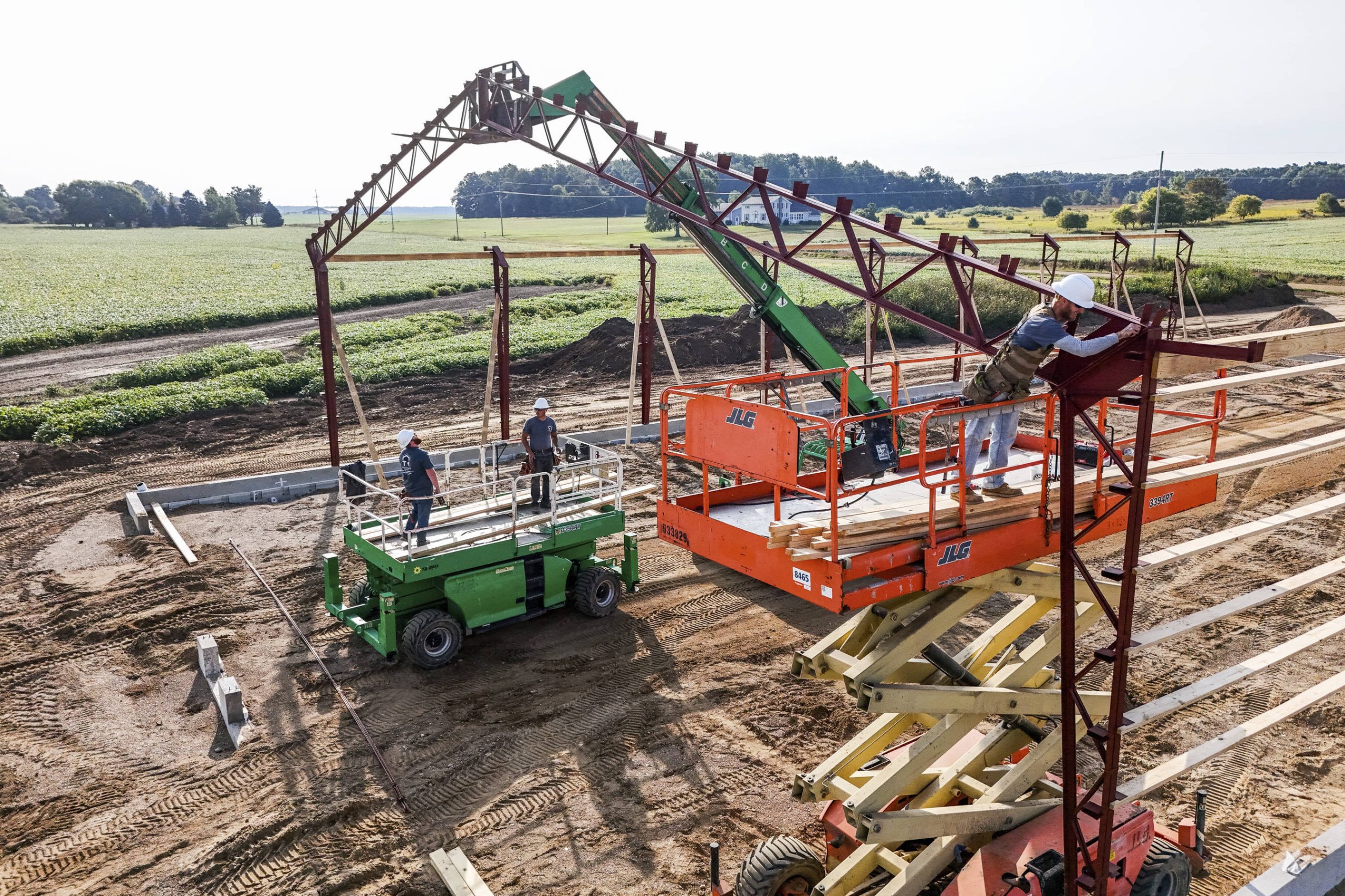
- Steel framing protected against corrosion from moisture and salt
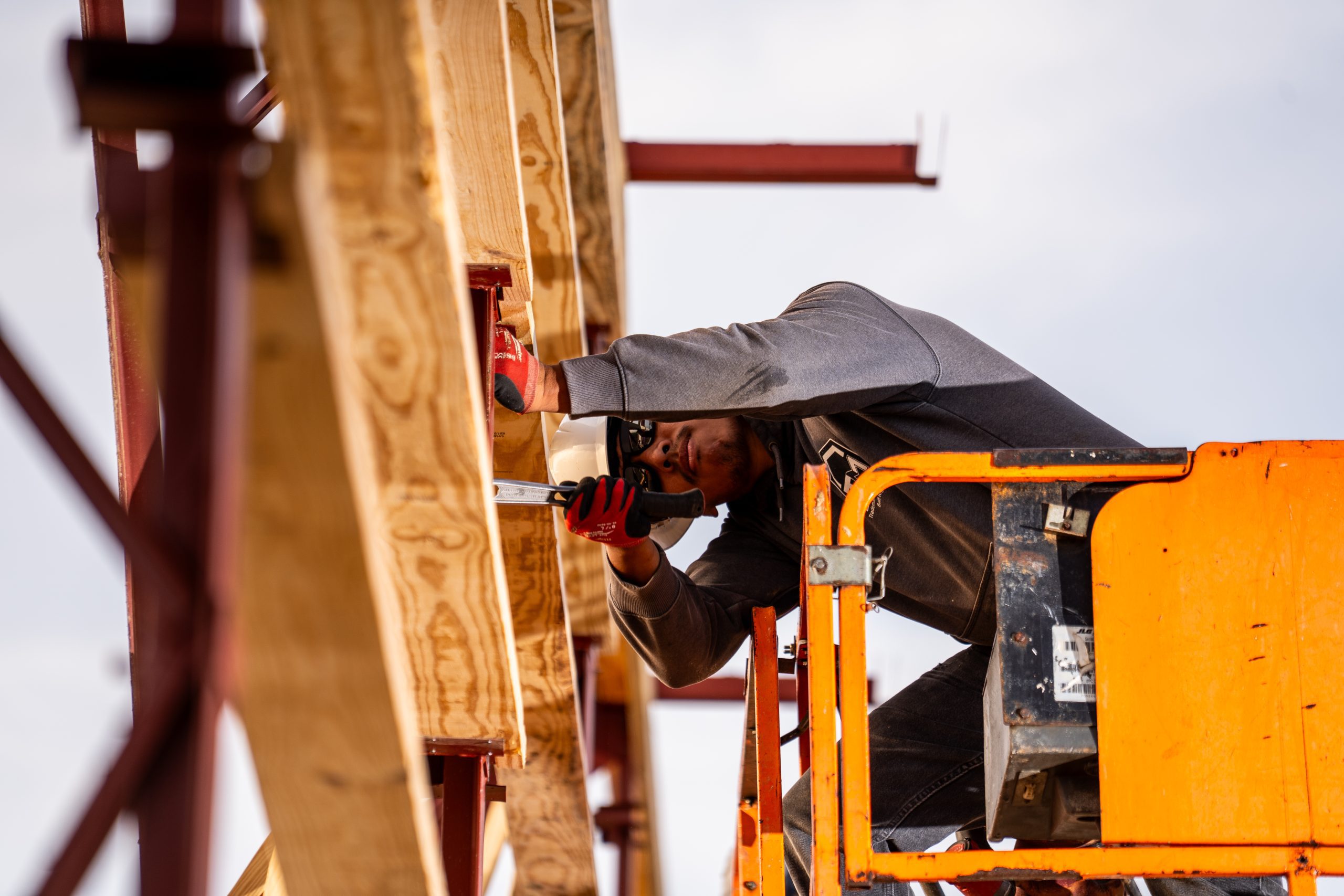
- Engineered lumber that resists warping and splitting
- Insulated panel systems that combine structure and thermal efficiency
Cold weather increases the importance of insulation integrated directly into structural systems. Proper design reduces heat loss and minimizes condensation within walls. This overview of weather-driven insulation needs explains how regional climate demands influence structural and insulation decisions, particularly in northern environments.
Exterior Finishes And Envelope Considerations
Exterior materials face the most direct exposure to cold weather. Wind, ice, snow, and temperature swings all test the resilience of the building envelope.
- Siding materials selected for impact resistance and moisture control
- Roofing systems designed to manage snow load and ice dams
- Sealants and flashing formulated to remain flexible in cold temperatures
- Windows and doors rated for thermal performance and air sealing
A strong exterior envelope protects interior building materials from moisture intrusion and heat loss. When exterior systems fail, damage often spreads inward, affecting framing, insulation, and finishes. Professionals coordinate envelope design carefully to ensure each component supports the others rather than creating weak points.
Interior Materials And Comfort In Cold Climates
Cold weather influences interior material choices as well. Temperature fluctuations and humidity changes can affect finishes, flooring, and fixtures over time.
- Flooring products that tolerate expansion without buckling
- Wall finishes resistant to cracking from movement
- Trim and millwork selected for stability
- Moisture-resistant materials in kitchens and bathrooms
Comfort is also a factor. Cold surfaces can reduce perceived warmth even in well-heated homes. Material selection plays a role in how heat is retained and distributed throughout living spaces. In a custom home, these choices directly affect daily comfort, maintenance needs, and long-term satisfaction.
Why Professional Planning Matters More Than DIY Choices
Material decisions in cold climates require technical understanding that goes beyond product labels. Professionals consider how materials interact as a system rather than in isolation.
Cold-weather construction demands coordination between structural design, insulation strategy, and finish selection. When these elements are mismatched, performance suffers. Attempting to manage these decisions without professional guidance often leads to higher costs later due to repairs, replacements, or energy inefficiency.
The financial impact of poor planning becomes especially clear in expansion or modification projects. This comparison of professional vs DIY costs highlights how initial savings can quickly disappear when materials fail to perform under real-world conditions.
Professionals also plan for longevity. Materials are selected not just for current weather patterns, but for decades of exposure. This long view helps ensure that a custom home remains durable, efficient, and visually consistent as seasons repeat year after year.
Cold weather is unforgiving of shortcuts. Materials that perform well on paper may not survive repeated freeze-thaw cycles or prolonged moisture exposure. Professional planning reduces risk by aligning material properties with climate realities.
Building in cold environments is about resilience as much as design. When materials are chosen correctly, structures remain stable, comfortable, and efficient despite challenging conditions. When choices are made without proper expertise, even minor issues can escalate into significant problems over time.
Build With Confidence In Any Season
Cold weather demands smarter material choices and experienced planning. Contact Trade Mark Contractors to discuss how professional expertise supports durable building materials and long-lasting custom home projects designed for challenging climates.