Home additions are often viewed as a practical way to gain space, improve comfort, and increase property value. Many homeowners consider handling the work themselves in hopes of saving money. While DIY projects can appear cost-effective at the outset, the true cost of home additions extends well beyond material expenses and visible labor.
From an expert perspective, additions involve structural coordination, permitting, and long-term integration with the existing home. Early decisions can influence safety, durability, and resale potential for years to come. Understanding the real financial and practical implications helps homeowners compare short-term savings against long-term performance, especially when projects align with broader custom home building goals.
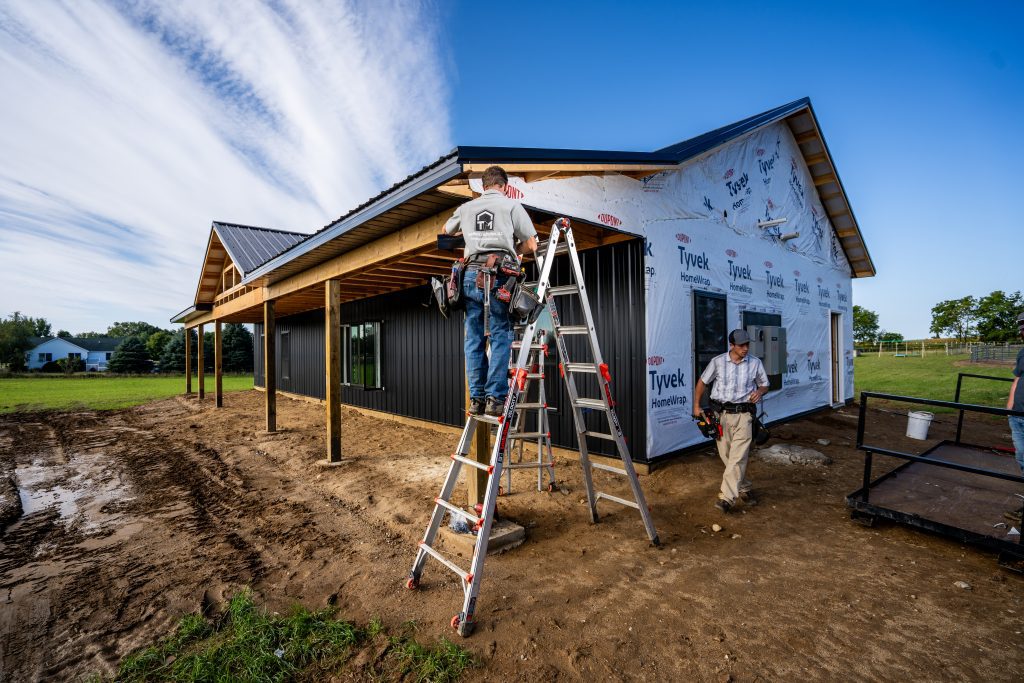
Why DIY home additions often appear cheaper upfront
DIY additions typically begin with a focus on surface-level expenses. Materials are easy to price, and labor is often excluded from the budget because it is performed personally. This creates the impression that building independently delivers immediate financial benefits.
Common reasons DIY projects seem affordable include:
- No upfront labor charges
- Flexible schedules without contractual timelines
- Incremental material purchases
- Direct control over design changes
However, these perceived savings often overlook the complexity of additions. Structural connections, load calculations, and integration with existing systems require precision. Time spent learning, correcting mistakes, or reworking completed sections carries real cost, even if it does not appear on an invoice.
Hidden expenses that DIY projects frequently overlook
As a DIY addition progresses, unanticipated costs frequently surface. These expenses can quickly reduce or eliminate the original budget advantage.
Common overlooked costs include:
- Permit fees and inspection corrections
- Tool purchases or equipment rentals
- Material waste due to measurement or installation errors
- Repairs needed to address code or safety issues
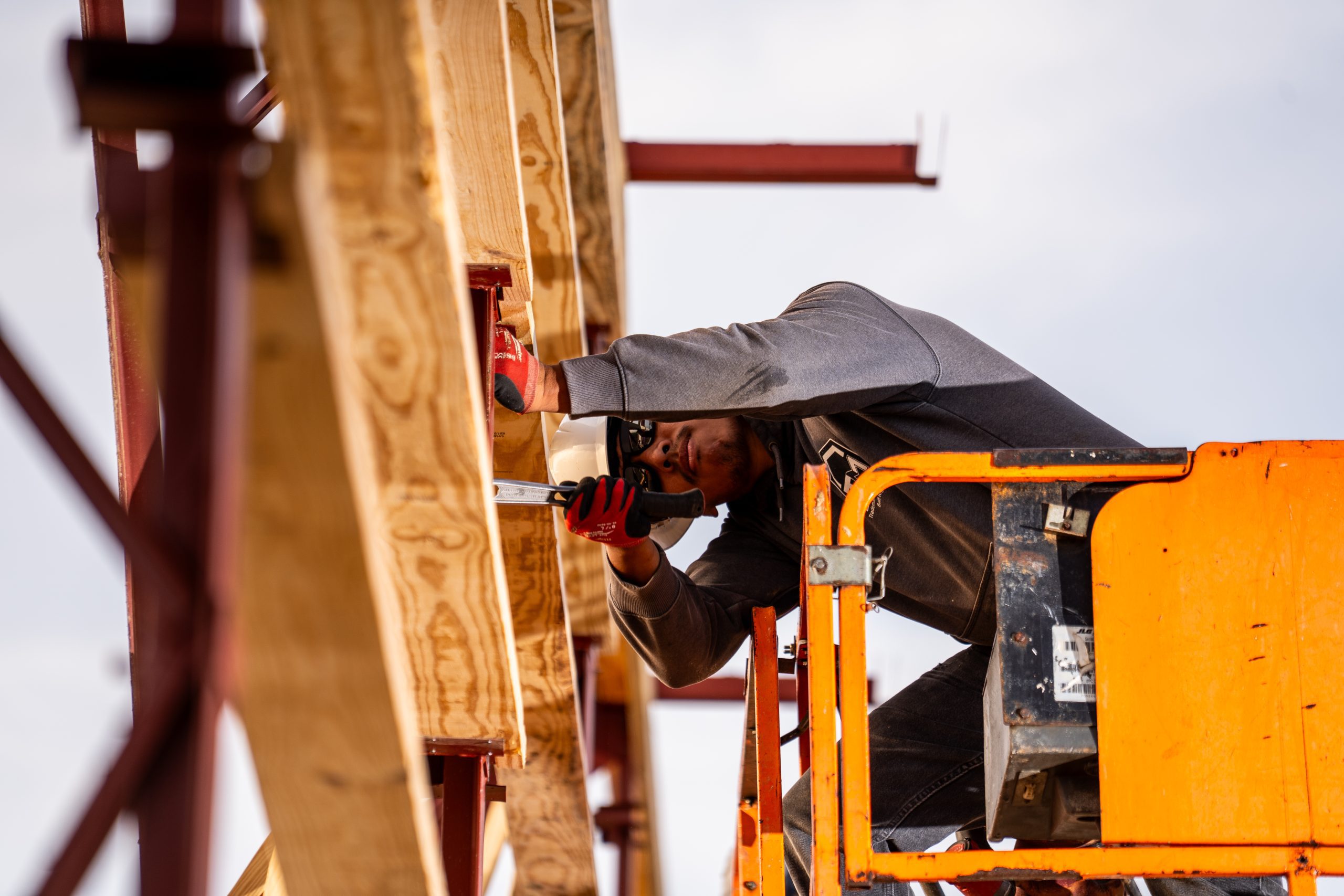
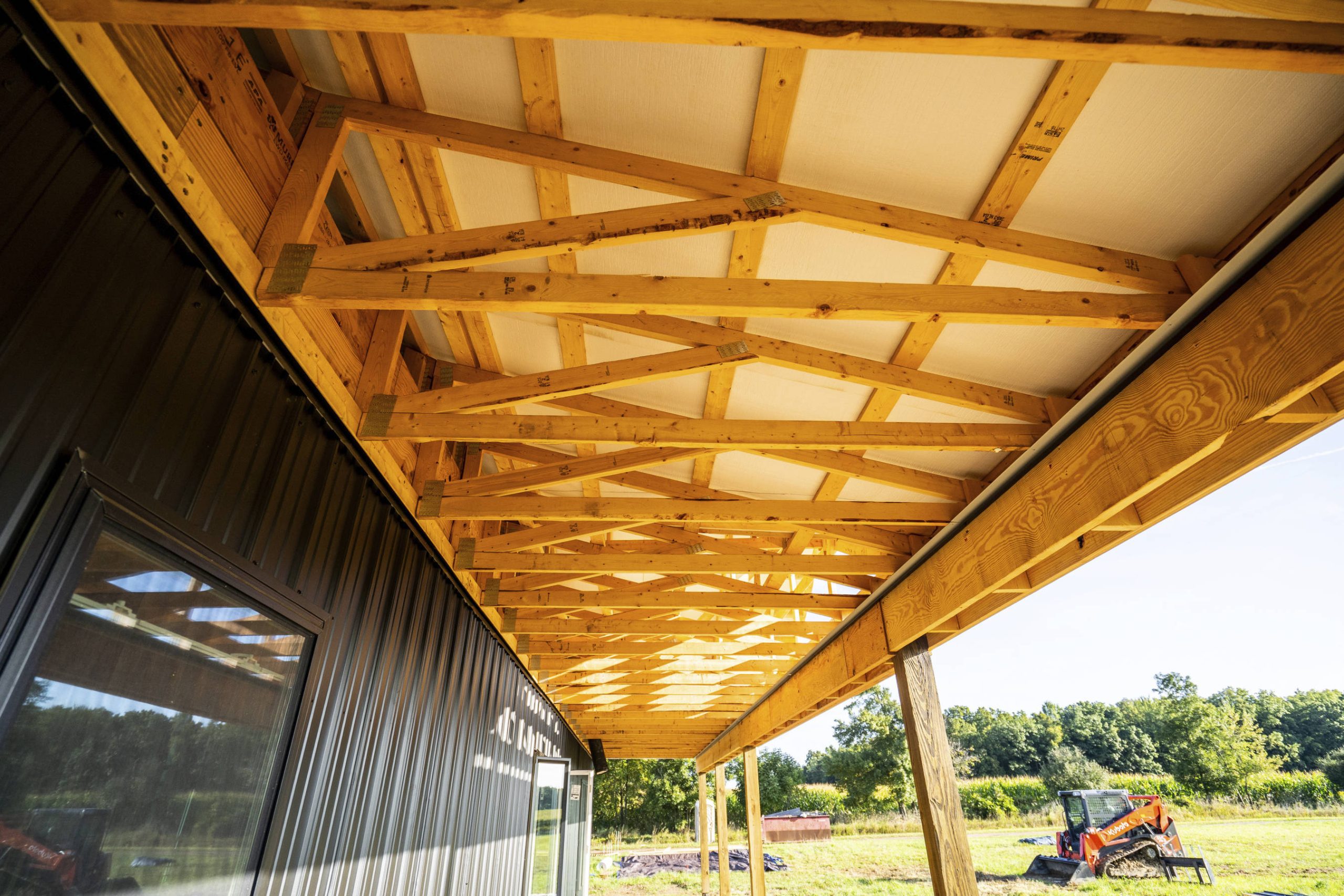
Structural components are especially unforgiving. Framing inaccuracies, moisture management errors, or improper insulation can lead to long-term problems that require professional remediation. Understanding what separates quality builders from informal construction efforts helps explain why professional projects often avoid these costly setbacks through proper planning and execution. Learn more about quality builder standards and how they influence long-term results.
How professional planning reduces long-term financial risk
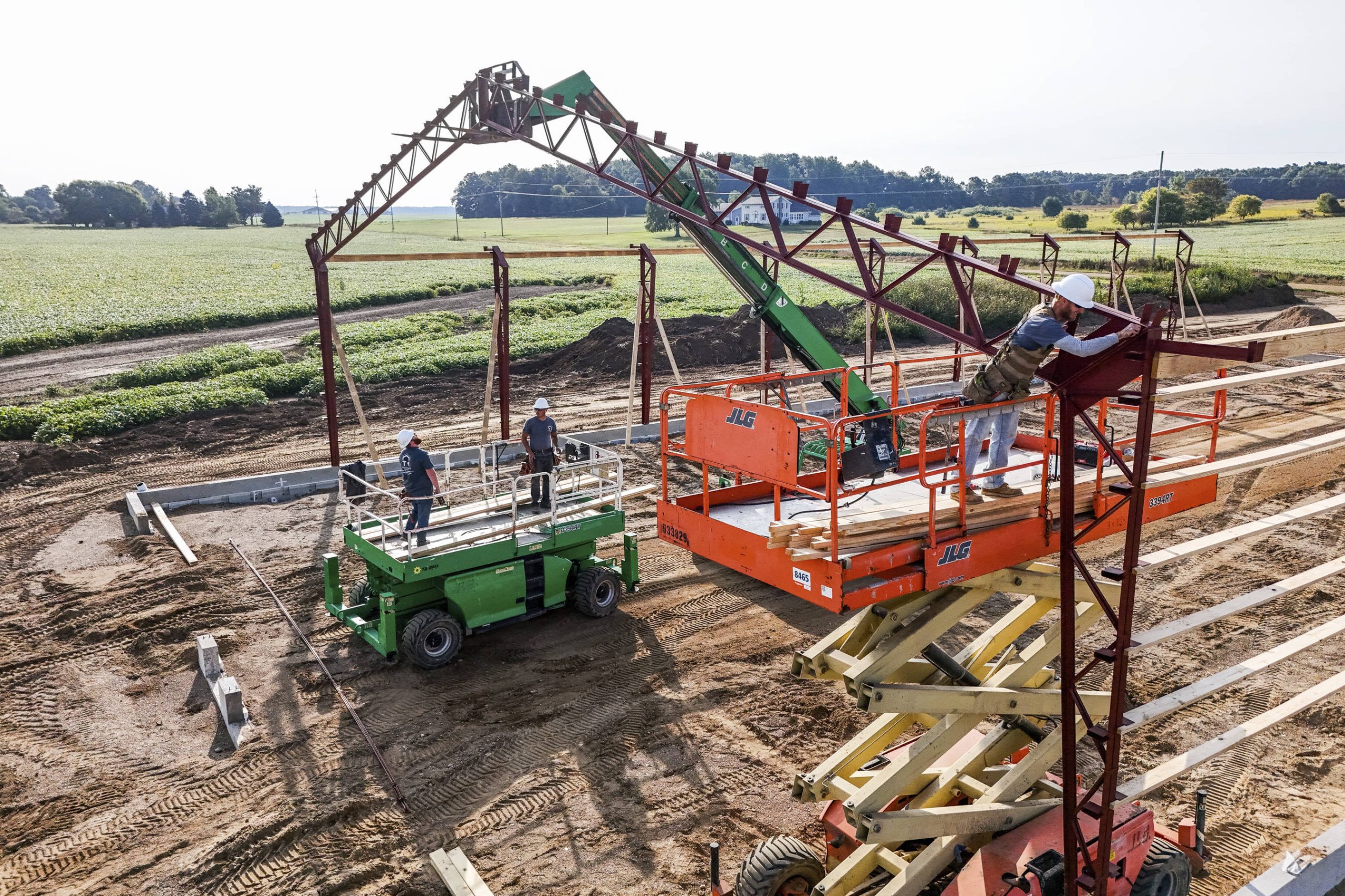
Professional construction treats home additions as part of a complete system rather than isolated expansions. Planning accounts for how new spaces connect to foundations, roofing, utilities, and existing layouts.
Key advantages of professional planning include:
- Accurate structural and load assessments
- Coordinated permitting and inspection readiness
- Proper sequencing of trades and materials
- Defined scopes that limit mid-project changes
This structured approach reduces uncertainty and budget creep. Professionals also consider durability, energy efficiency, and moisture control, all of which influence maintenance costs over time. For homeowners pursuing custom home building outcomes, these factors directly affect long-term value and comfort.
Time, disruption, and opportunity costs to consider
Cost is not limited to money spent on materials or services. DIY additions often require extended timelines that disrupt daily life. Projects can stall due to skill gaps, limited availability, or unforeseen complications.
Opportunity costs may include:
- Time away from work or family
- Delayed use of the added space
- Ongoing household disruption
- Increased stress from prolonged construction
Professional teams operate within defined schedules and coordinated workflows. This efficiency shortens project duration and reduces household disruption. When time, convenience, and personal workload are considered, professional work often delivers greater overall value.
Resale value and compliance implications
Home additions influence resale value only when they meet regulatory and quality standards. DIY projects that lack permits or fail inspections can become liabilities during a sale. Buyers and inspectors closely examine additions, and deficiencies may lead to renegotiation or required corrections.
Professional work supports resale by ensuring:
- Compliance with local building codes
- Proper documentation and inspection approvals
- Consistent construction quality
- Seamless integration with the original structure
Even for long-term homeowners, compliance matters. Improperly built additions can require corrective work years later, often at a higher cost. Reviewing first-home planning factors highlights how early construction decisions shape long-term satisfaction and financial outcomes.
When professional expertise becomes essential
Not all improvements require professional involvement, but home additions often exceed that threshold. Structural changes, electrical extensions, plumbing integration, and roof transitions demand specialized knowledge and experience.
Professional expertise becomes essential when:
- Load-bearing walls are modified
- Utilities are extended or reconfigured
- Foundations or rooflines are altered
- The addition affects overall home layout
In these cases, professional work functions as risk management rather than luxury. The goal is to protect the home’s integrity while delivering lasting, functional results.
Build with confidence, not guesswork
DIY home additions may promise savings, but hidden costs, extended timelines, and long-term risks often outweigh the initial appeal. For homeowners seeking durable results and lasting value, professional guidance offers clarity and protection. To explore options aligned with your goals, contact Trade Mark Contractors to discuss solutions built on experience and careful planning.