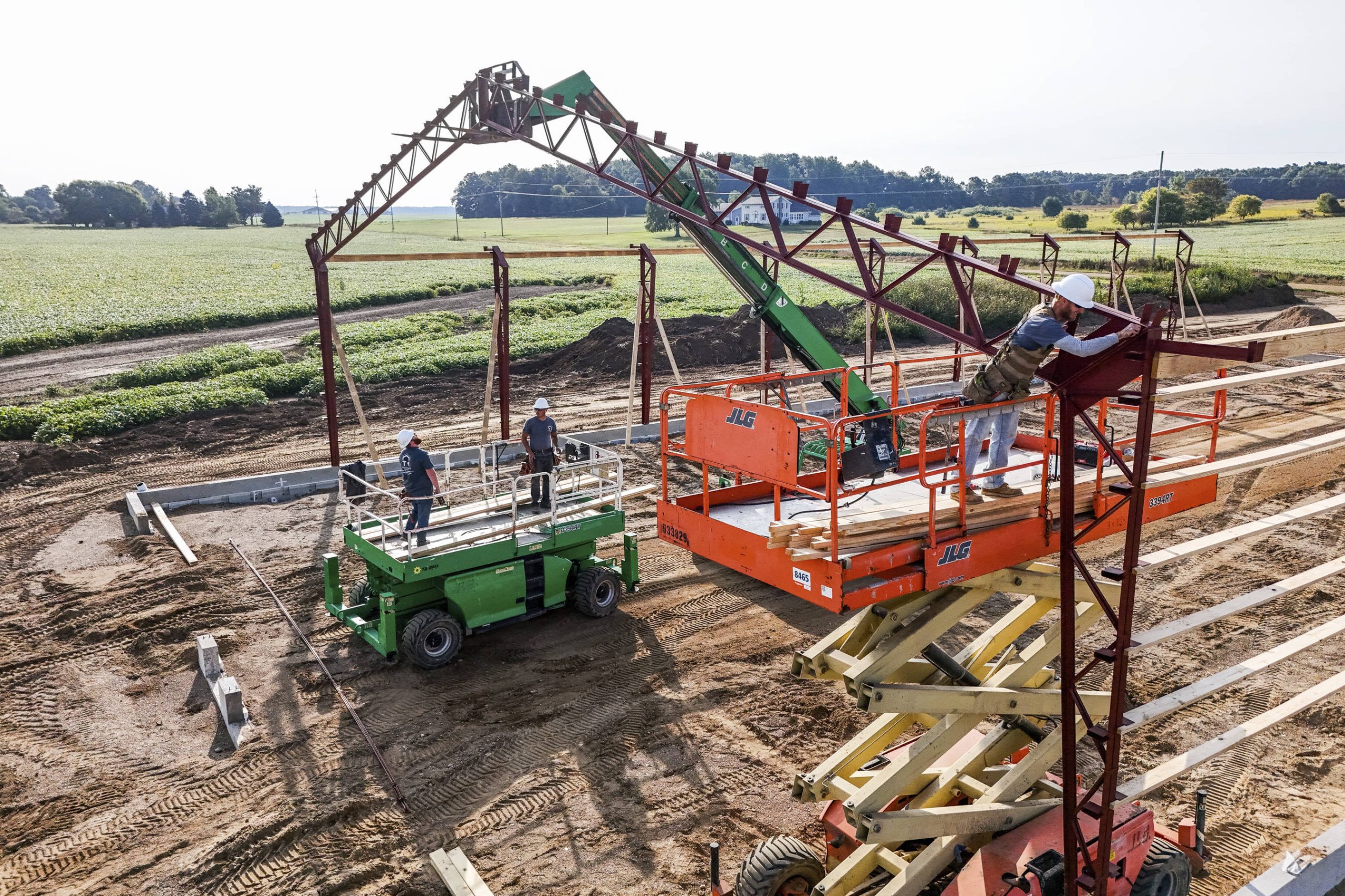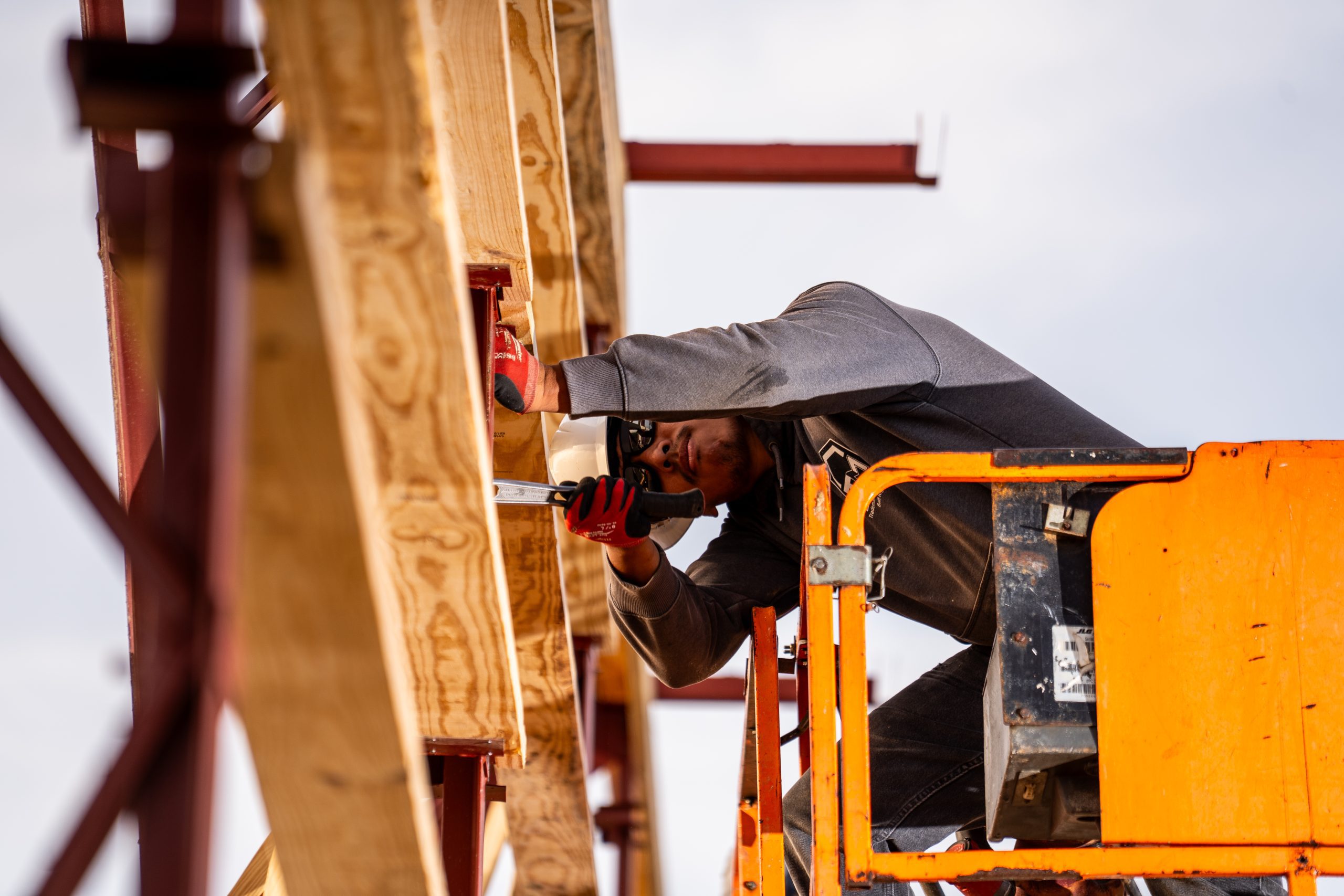

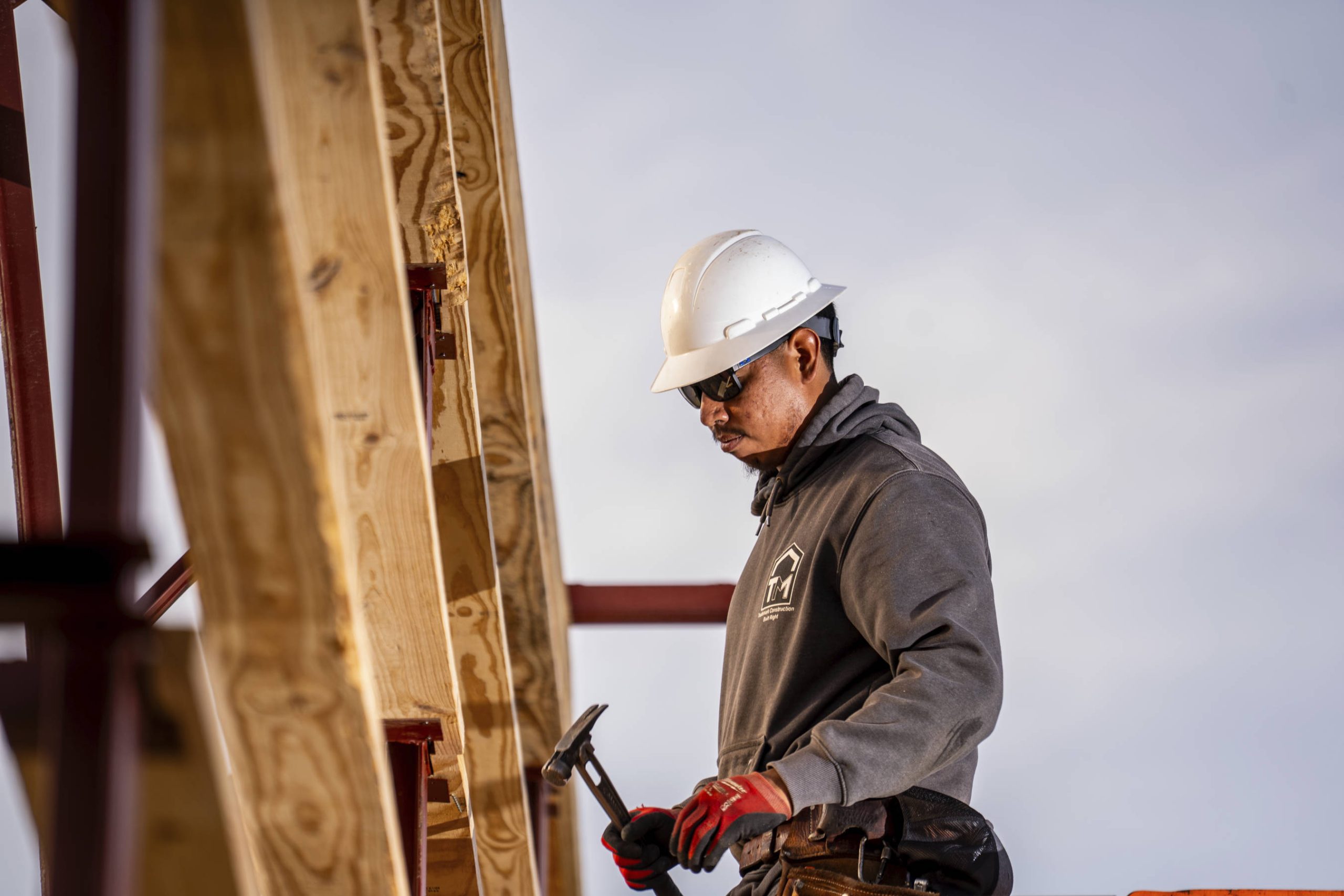
Every successful build begins long before the first foundation is poured. Whether a project involves custom home building, major renovations, structural additions, or a ground up residential build, construction safety must remain a daily priority. Active job sites combine heavy equipment, elevated work zones, electrical systems, and structural framing, all of which demand consistent oversight and clear standards.
From an expert contractor’s perspective, site safety is not a one-time formality. It is an operating system that runs through planning, scheduling, supervision, and communication. When safety is built into the workflow, risks drop, crews move with more confidence, and the work stays on schedule with fewer costly disruptions.
Pre-Construction Planning and Risk Assessment
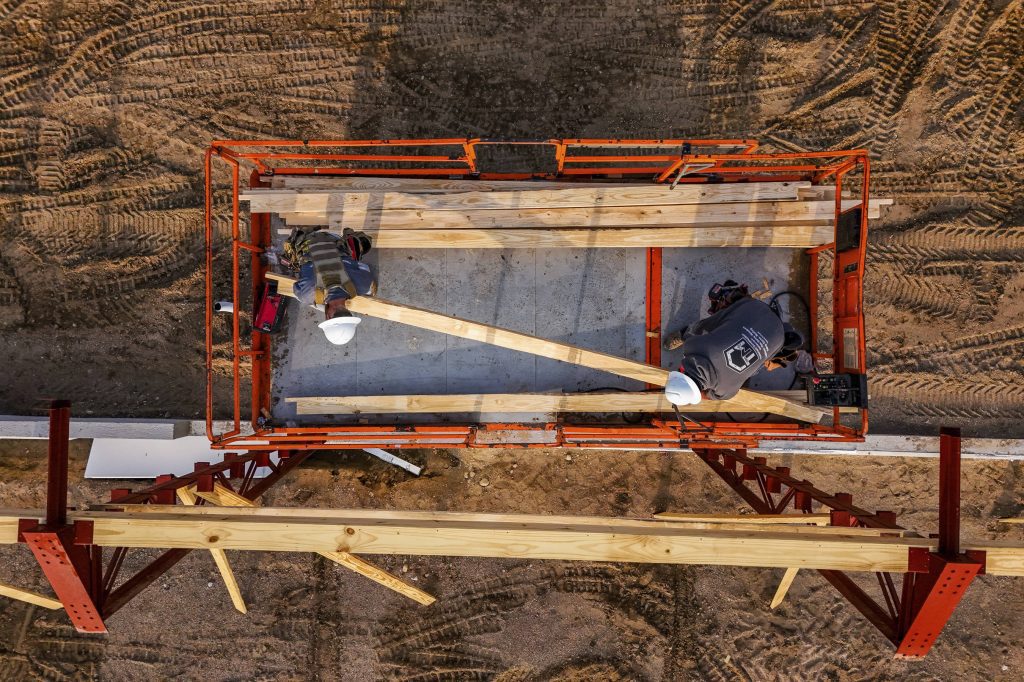
Before breaking ground, thorough planning sets the foundation for safe execution. A risk assessment should identify hazards unique to the property, the scope of work, and the surrounding environment, including access, utilities, and staging constraints.
Effective pre-construction safety planning includes:
- Reviewing site conditions such as grading, soil stability, and drainage
- Identifying overhead and underground utilities before excavation
- Evaluating access points for deliveries, equipment movement, and emergency response
- Establishing clear zones for staging, storage, and waste management
- Confirming permitting requirements and local code expectations early
Permit and code compliance is directly tied to construction safety because it influences structural integrity, egress, fire separation, and inspection checkpoints. When a project is planned with permitting in mind, the site operates with fewer midstream changes that can introduce hazards. If helpful, this overview on permit code management explains how experienced builders keep regulatory requirements aligned with safe project execution.
For custom home building in particular, early planning also accounts for complex framing, structural loads, and the integration of mechanical systems. When safety considerations are addressed at the planning stage, there are fewer surprises once crews are on site.
Personal Protective Equipment and Worker Training
A safe job site depends on consistent personal protective equipment use and standardized training. Professional crews rely on repeatable protocols so every person on site understands expectations, responsibilities, and hazard response.
Core safety practices include:
- Mandatory hard hats, eye protection, and high visibility gear wherever required
- Fall protection systems for elevated work, including harnessing and tie-offs
- Gloves and respiratory protection when cutting, sanding, or handling dust-producing materials
- Equipment-specific training for lifts, saws, compressors, and power tools
- Short daily briefings to review the day’s tasks, hazards, and safe zones
Training matters because construction is sequenced work. Multiple trades often overlap, especially during framing, rough-in phases, and interior finishing. Clear coordination reduces conflicts between teams and prevents one trade’s work from creating hazards for another.
Construction safety also changes as the project progresses. Excavation hazards differ from framing hazards, and both differ from finish phase risks. Continuous training helps teams adjust safely as site conditions evolve.
Site Organization and Hazard Control
A well-organized site is one of the simplest ways to prevent injuries. Cluttered pathways, unsecured materials, and inconsistent storage practices raise risk, slow progress, and increase the chance of falls, trips, and being struck by incidents.
Professional site organization typically involves:
- Marked walkways and restricted zones around active work areas
- Secure storage for tools, fasteners, adhesives, and specialty materials
- Routine debris removal and cleanup to keep surfaces stable and visible
- Proper stacking and tie-down procedures for lumber and sheet goods
- Controlled access points for machinery, deliveries, and visitor entry
Sequencing also plays a major role in safety. When schedules are unrealistic, crews feel pressure to rush, and rushing is one of the most common drivers of preventable incidents. For a practical look at how build phases influence timelines and site flow, this resource on a realistic build timeline can help frame why proper scheduling supports safer decision-making on site.
In remodeling and additions, tight working areas make organization even more critical. Keeping staging areas clean and pathways open protects workers and reduces the chance of accidental damage to the property.
Equipment Handling and Structural Integrity
Heavy equipment and structural framing represent two of the highest risk categories on a residential job site. Safe handling requires inspection, competent operation, and supervision that aligns temporary conditions with permanent structural requirements.
Best practices include:
- Routine inspection of ladders, cords, guards, and tool safety features
- Clear machinery rules, including spotters, exclusion zones, and safe speeds
- Proper scaffolding setup and regular condition checks
- Temporary bracing and stabilization during early framing stages
- Controlled lifting and placement procedures for large structural members
Custom home building often introduces higher complexity such as multi-level framing, long spans, engineered beams, custom rooflines, and specialty exterior elements. These features demand precision and reliable temporary support until permanent connections are fully installed. Professional oversight helps ensure structural components remain stable through every transition point, including wind exposure, staging loads, and partial framing conditions.
Equipment safety and structural integrity are closely connected. A safe site is one where materials are handled correctly, temporary supports are respected, and crews are never asked to work beneath unstable assemblies.
Communication, Supervision, and Ongoing Compliance
Even the best planning must be reinforced daily. Continuous supervision and clear communication keep construction safety standards consistent as site conditions shift due to weather, deliveries, design adjustments, and trade scheduling.
Strong job site oversight typically includes:
- Daily walkthroughs that identify hazards before work begins
- Quick coordination check-ins between trades during handoffs
- Inspection readiness planning to avoid rushed corrections
- Documentation of safety issues and corrective steps taken
- Clear reporting pathways for hazards, near misses, or unsafe conditions
A professional site runs on accountability. When expectations are consistent and enforced, crews build safer habits naturally. This also protects the project timeline, since fewer incidents mean fewer delays, fewer rework cycles, and less disruption to scheduled inspections.
Construction safety is not separate from quality. The same discipline that protects workers also protects the building itself, including materials, structural assemblies, and long-term performance of the home.
Turn Safety Into a Standard
If your project needs experienced leadership that keeps construction safety aligned with schedule and quality, contact Trade Mark Contractors to discuss the right path forward for your build.