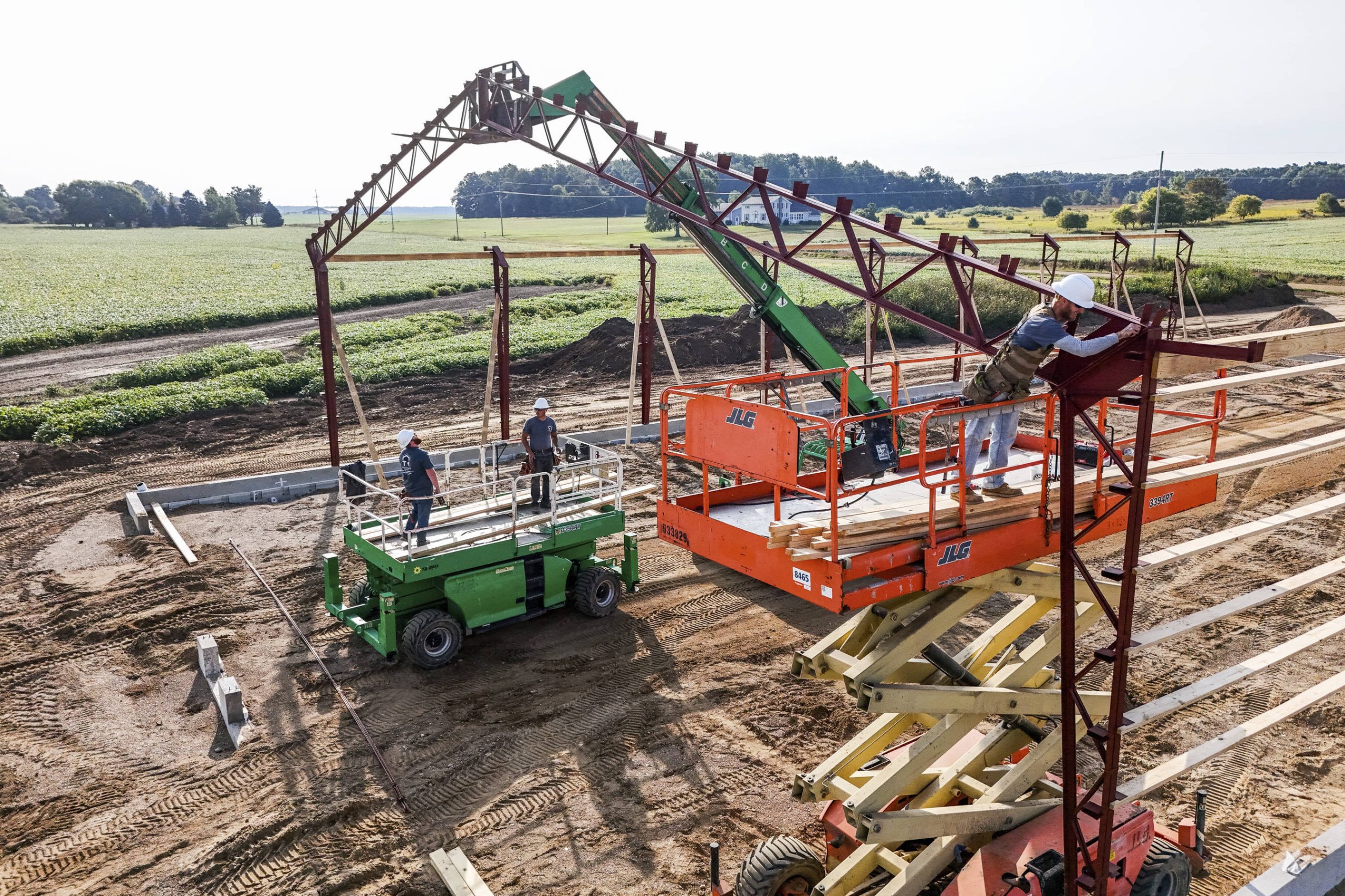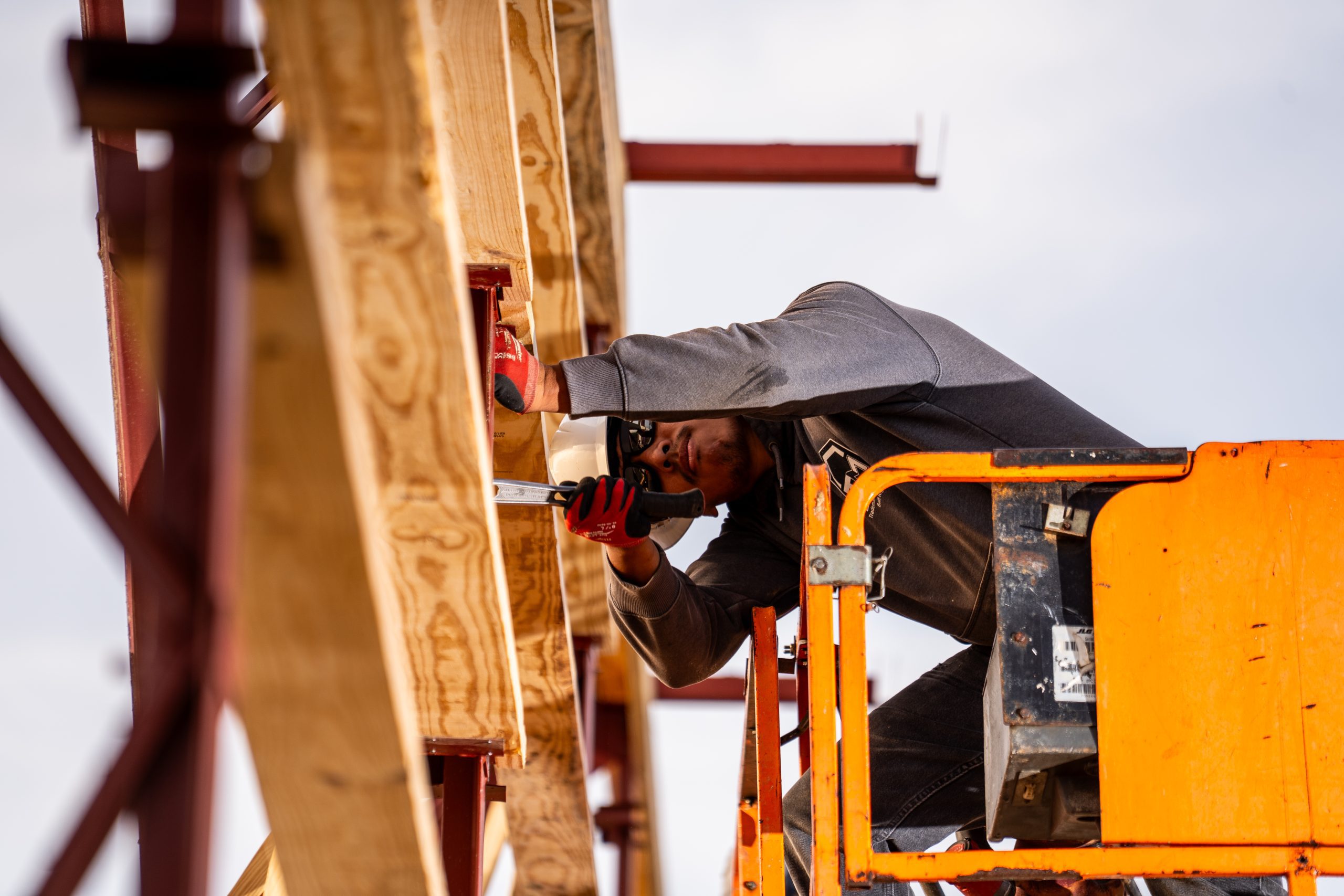

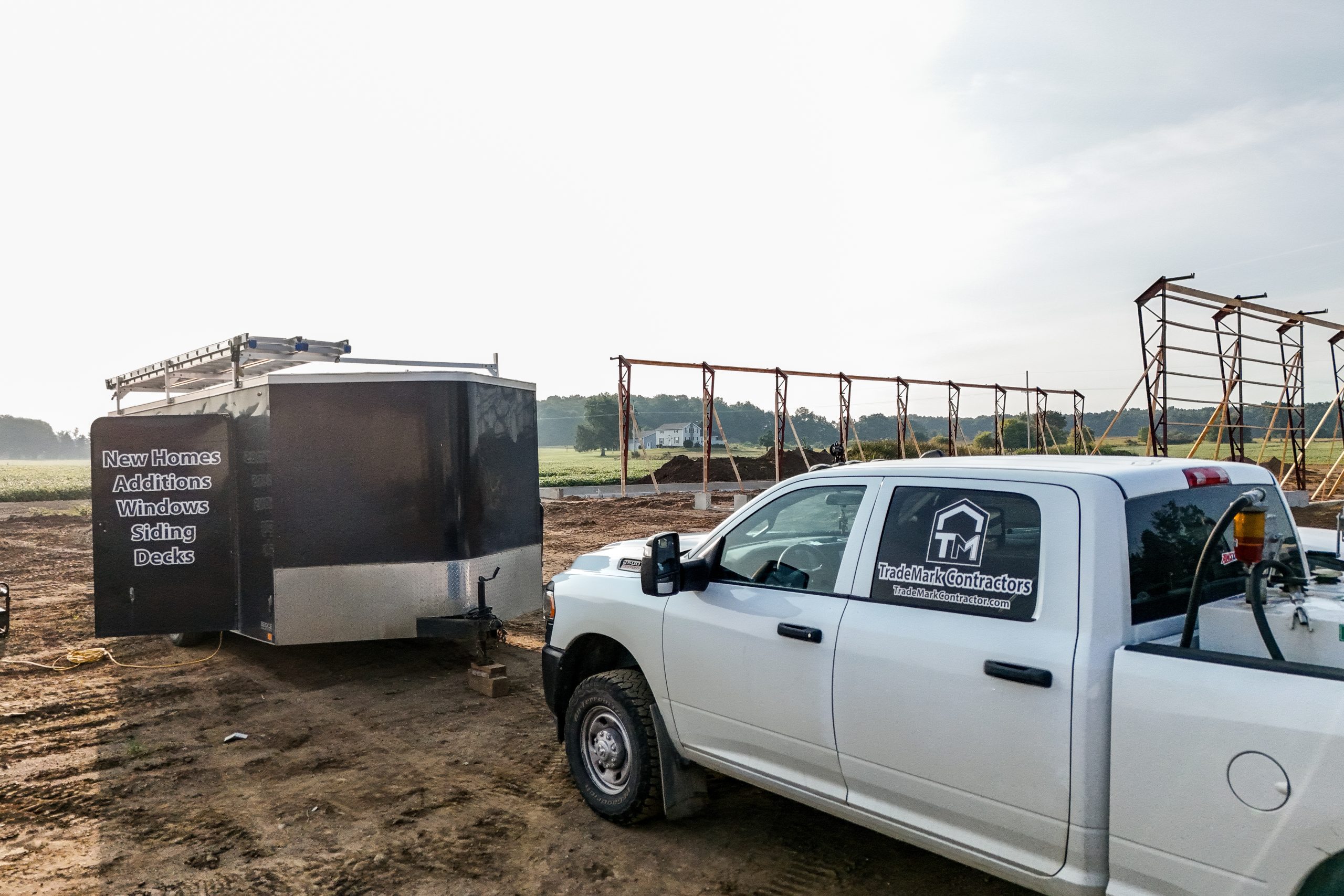
Winter frost presents serious challenges for construction projects across Michigan. Freezing temperatures, shifting soil, and retained moisture can all affect site stability, material performance, and long-term structural integrity. For projects tied to Michigan home building, preparing the site before frost sets in is a critical step that protects schedules, budgets, and finished results.
From an expert perspective, winter site preparation focuses on anticipating how cold weather interacts with soil composition, excavation work, and foundation systems. Taking proactive measures before sustained freezing occurs helps maintain safe working conditions and limits costly rework once winter weather becomes consistent.
Why winter frost creates risks for Michigan building sites
Michigan experiences frequent freeze-thaw cycles that dramatically affect soil behavior. When moisture in the ground freezes, it expands, creating upward pressure known as frost heave. This movement can disrupt excavated areas, distort grade elevations, and weaken early-stage construction if not properly managed.
Winter frost risks often include:
- Soil expansion that alters excavation dimensions
- Loss of compaction in prepared subgrades
- Erosion during mid-winter thaws
- Delays caused by unstable or unsafe ground conditions
These risks increase when sites remain exposed late into the season. Professional planning evaluates frost depth, soil type, and moisture levels to reduce disruption. Addressing these variables early protects the foundation phase and helps maintain steady progress during colder months.
Site grading and drainage preparation before freezing begins
Proper grading and drainage are essential before winter frost arrives. Water management plays a central role in how soil responds to freezing temperatures. When water is allowed to pool or remain trapped in subgrade layers, frost-related movement becomes more severe.
Before sustained freezing begins, professionals focus on:
- Establishing positive drainage away from the building footprint
- Eliminating low areas where water can accumulate
- Securing slopes to limit erosion during freeze-thaw cycles
- Confirming temporary drainage paths remain functional through winter
Effective grading helps stabilize soil conditions and reduces frost pressure beneath foundations. In Michigan home building projects, these steps preserve excavation integrity and keep sites workable as temperatures fluctuate. Understanding realistic construction timelines also helps teams schedule grading and excavation work before conditions become restrictive, reducing weather-related delays.
Protecting soil and excavation areas from frost damage
Once grading is complete, exposed soil and excavation zones require protection. Leaving open areas uncovered allows frost to penetrate deeper, increasing the likelihood of soil displacement and loss of bearing capacity.
Common protection measures include:
- Installing insulating blankets over exposed ground
- Using temporary coverings to reduce moisture infiltration
- Minimizing the duration of open excavations
- Sequencing backfill to stabilize critical areas
These measures limit frost penetration and help preserve soil structure through winter. Professional oversight ensures protective methods are appropriate for site conditions and adjusted as weather patterns shift. Without proper protection, frost damage can require re-excavation or re-compaction, extending project timelines.
Foundation planning and timing considerations
Foundation work is especially sensitive to winter conditions. Cold temperatures influence concrete curing, soil stability, and inspection schedules. Planning foundation activities around frost behavior is essential to maintaining structural integrity.
Key considerations include:
- Completing footing excavation before deep frost develops
- Verifying subgrade conditions meet load requirements
- Protecting concrete during early curing stages
- Coordinating inspections to avoid weather disruptions
Cold-weather planning helps prevent rushed pours or compromised curing. Projects that align foundation work with seasonal conditions experience fewer setbacks. Familiarity with local contractor value plays an important role in anticipating inspection timing, weather windows, and region-specific soil behavior.
Why local experience matters in winter site preparation
Michigan’s regional conditions vary widely. Soil composition, frost depth, and drainage behavior differ across counties and municipalities. This makes regional experience especially valuable when preparing a building site for winter.
Professionals familiar with local conditions account for:
- Typical frost depth ranges in specific areas
- Soil behavior during freeze-thaw cycles
- Seasonal permitting and inspection practices
- Weather trends that influence construction pacing
Local knowledge allows teams to anticipate challenges and apply proven strategies rather than relying on generalized approaches. This results in safer sites, better timing decisions, and more predictable outcomes throughout the winter season.
Long-term benefits of proper winter site preparation
Preparing a site for winter frost is not just about getting through cold weather. It directly affects the long-term performance of the structure. Sites managed properly during winter are less likely to experience settlement, drainage failures, or foundation movement later.
Long-term benefits include:
- Improved foundation stability
- Reduced corrective grading needs
- Fewer delays when construction resumes in spring
- Better alignment with overall project schedules
For Michigan home building projects, winter preparation supports continuity. When sites are stabilized ahead of freezing conditions, work can resume more efficiently once temperatures rise, protecting both the structure and the investment.
Build through winter with confidence
Winter frost does not have to halt progress when preparation is handled correctly. For expert guidance on winter-ready site planning and construction support, contact Trade Mark Contractors to discuss strategies designed for Michigan conditions and long-term project success.