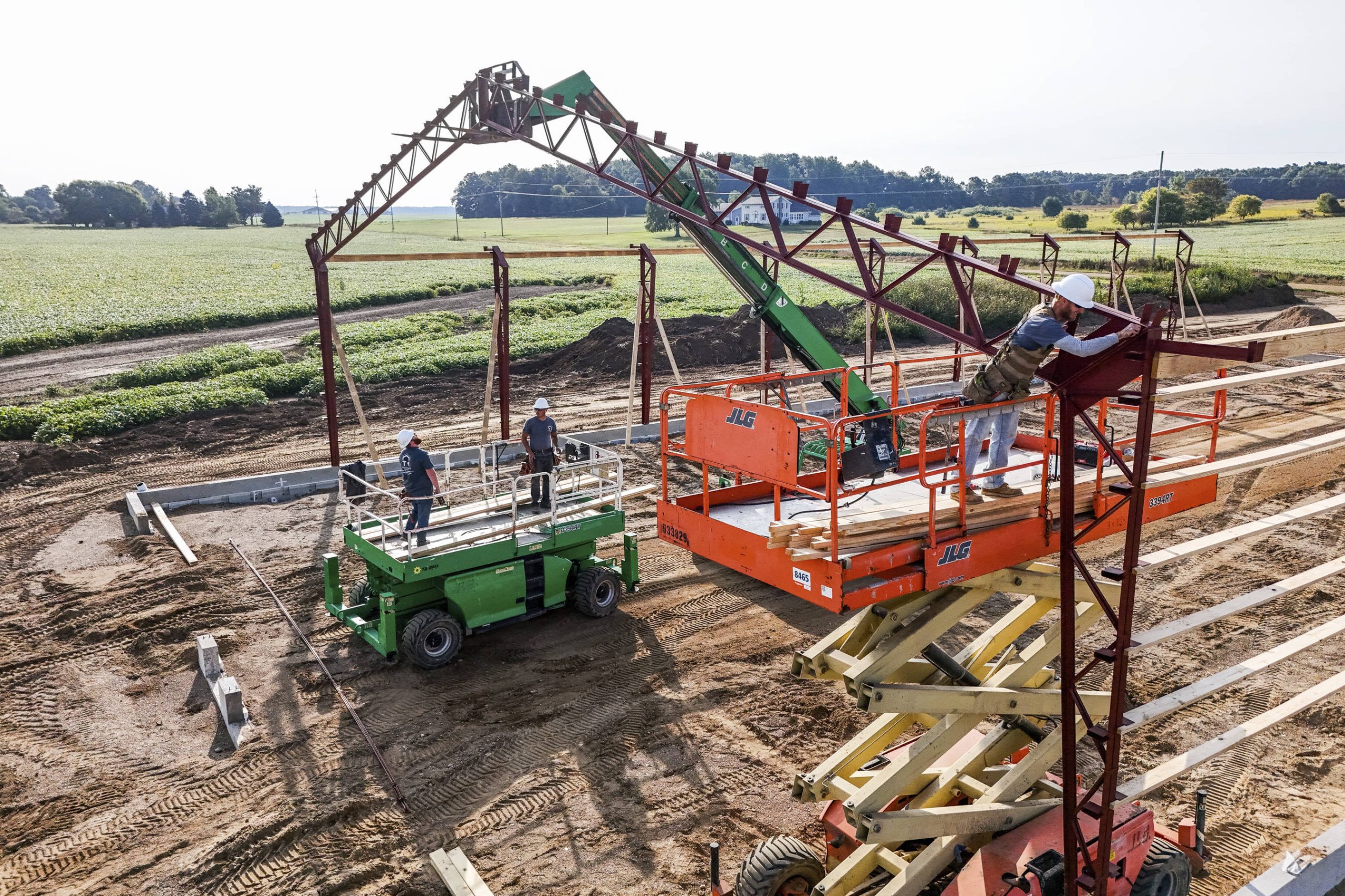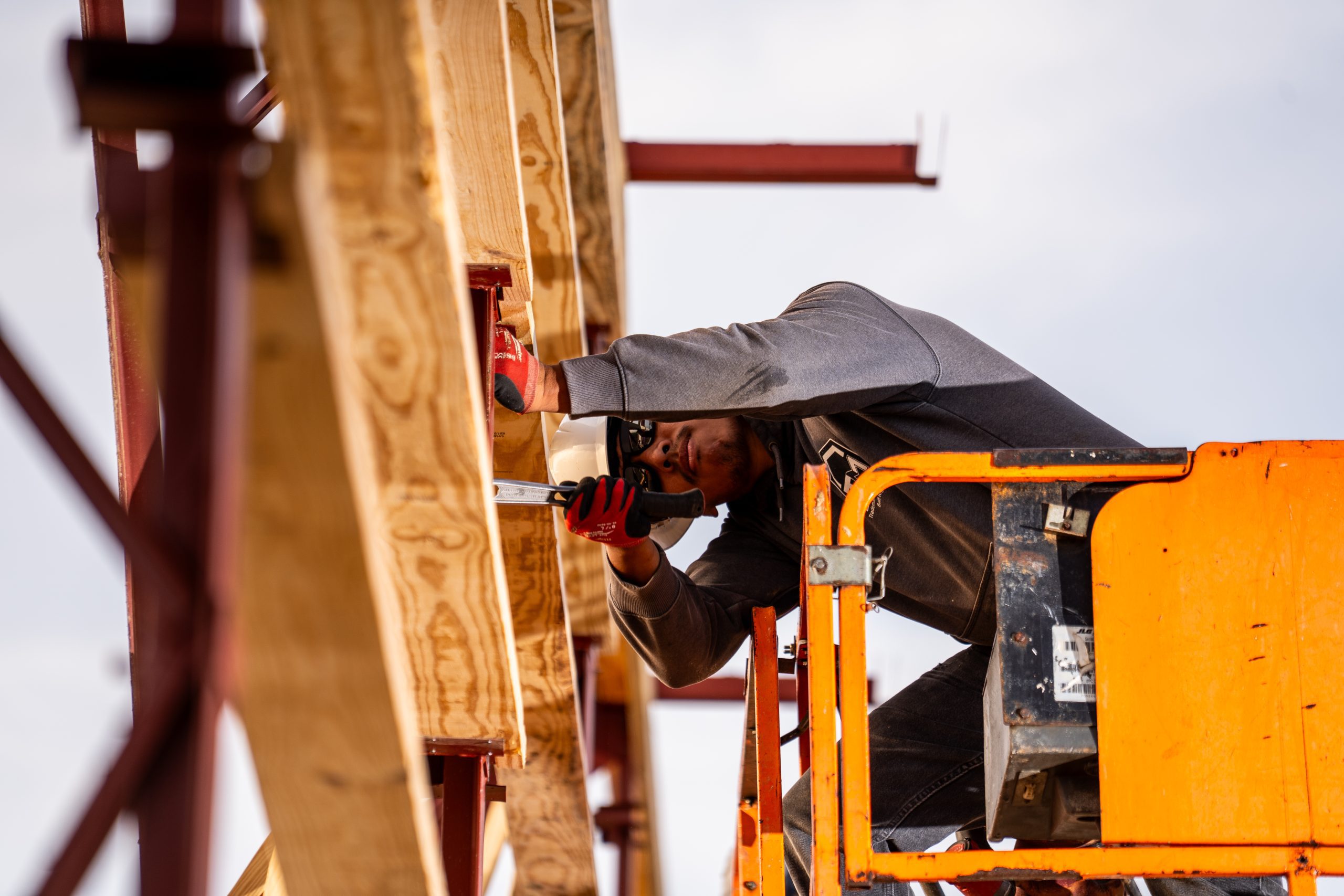

Michigan winters bring freezing temperatures, snow, and unpredictable weather patterns that directly influence home construction schedules. While building can continue year-round, winter conditions introduce variables that affect productivity, material performance, and site safety. These factors often require timeline adjustments that homeowners may not expect when planning a new build or major renovation.
From an expert perspective, home construction during Michigan winters is less about stopping work entirely and more about managing risk and sequencing tasks correctly. Understanding how winter conditions impact each phase of construction helps homeowners set realistic expectations and appreciate why professional planning plays such an important role in keeping projects on track.
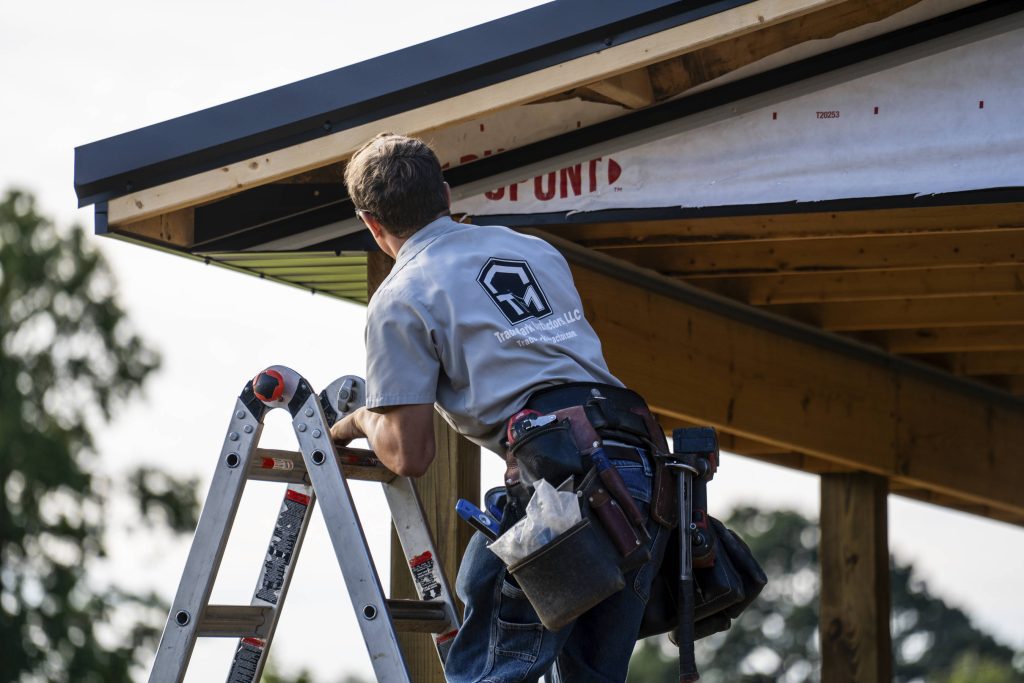
How winter weather slows early construction phases
The earliest stages of home construction are the most vulnerable to winter conditions. Site preparation and foundational work depend heavily on soil stability and weather cooperation.
- Frozen ground complicates excavation and grading
- Snow accumulation delays site access and equipment use
- Concrete curing times increase in cold temperatures
- Weather windows become shorter and less predictable
When soil freezes, excavation requires additional equipment and time. Concrete must be protected and monitored closely to ensure proper curing, which adds labor and scheduling complexity. These challenges often extend timelines before vertical construction even begins.
Proper scheduling is essential at this stage. Understanding realistic build durations is helpful when accounting for winter delays. Insight into how long construction typically takes can be found through guidance on build time expectations, which explains why seasonal planning matters.
Material performance challenges in cold conditions
Winter temperatures affect how construction materials behave. Many materials used in home construction respond differently in cold weather, requiring adjustments in handling and installation.
- Wood contracts and absorbs moisture differently
- Adhesives and sealants require temperature control
- Roofing materials become brittle in extreme cold
- Exterior finishes may need to be postponed
To maintain quality standards, some installations are delayed until conditions improve. Rushing these steps can compromise durability and lead to future repairs. Professionals prioritize material performance over speed to protect long-term structural integrity.
These precautions often shift certain tasks to later phases, which can compress schedules once warmer weather returns. Planning around these constraints helps prevent quality issues that could otherwise extend timelines even further.
Labor and site safety considerations during winter
Worker safety is a major factor in winter construction planning. Snow, ice, and limited daylight affect productivity and increase risk.
- Slippery surfaces slow movement and equipment operation
- Cold exposure requires more frequent breaks
- Shorter daylight hours reduce workable time
- Additional safety measures extend daily tasks
These factors do not halt home construction, but they do reduce daily output. Crews work more cautiously to maintain safety, which naturally affects timelines. Professional contractors account for these conditions when setting schedules, ensuring that progress continues without compromising worker well-being.
Scheduling adjustments and project sequencing
Winter construction requires thoughtful sequencing. Certain tasks must be prioritized or postponed based on temperature and weather stability.
Interior work often becomes the focus once a structure is enclosed. Electrical, plumbing, and interior framing can proceed while exterior conditions remain challenging. However, delays in earlier phases may push enclosure timelines back, affecting when interior work can begin.
This interconnected scheduling means small winter delays can ripple through the entire project. Experienced contractors manage these dependencies carefully, adjusting sequences to minimize downtime and keep momentum whenever possible.
Choosing professionals familiar with local winter conditions provides an advantage. Knowledge of regional weather patterns allows for better anticipation of delays and more accurate scheduling. The benefits of working with professionals who understand local challenges are discussed further through insight on local contractor value, which highlights why regional experience matters.
Why winter planning protects overall project success
While winter may extend timelines, it also offers opportunities for better planning. Projects that start or continue during winter often benefit from early decision-making and preparation.
Professionals use winter months to finalize designs, secure permits, and coordinate materials so that construction can accelerate when conditions improve. This proactive approach reduces bottlenecks during peak building seasons.
Home construction timelines are influenced by more than weather alone. Communication, scheduling discipline, and contingency planning all play a role. Winter simply makes these factors more visible. When handled correctly, winter construction sets the stage for smoother progress later.
Michigan winters are challenging, but they are not unmanageable. The key is understanding how conditions affect each phase and working with professionals who plan accordingly. Realistic expectations and expert coordination prevent frustration and protect project quality.
Plan your build with winter expertise
We understand how Michigan winters affect home construction timelines and why professional planning makes a difference. For guidance that keeps your project moving despite seasonal challenges, contact Trade Mark Contractors to discuss a construction approach built around Michigan’s unique conditions.